
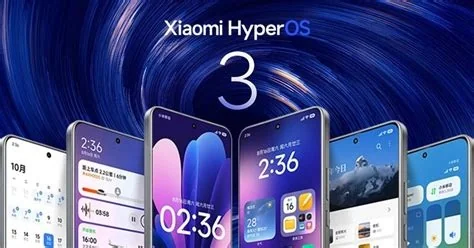
Xiaomi HyperOS 3.1, powered by Android 16, brings up to 30 % faster app launches, AI‑enhanced SmartPay and AI Photo Lab, and a refreshed UI with adaptive icons, a widget carousel, and Theme Composer. The update rolls out to flagship and recent mid‑range models in 2026 while ending official support for devices launched before 2022.
Performance Boost and HyperBoost Scheduler
HyperOS 3.1 leverages Android 16’s refined runtime and a re‑engineered kernel to cut app launch latency by up to 30 %. The new HyperBoost scheduler dynamically allocates CPU and GPU resources based on real‑time usage, delivering smoother multitasking on devices such as the Mi 13 Ultra, Redmi K70 Pro, and POCO F5.
AI‑Driven Features: SmartPay and AI Photo Lab
Two AI‑centric tools are integrated directly into the system:
- SmartPay – on‑device language models detect payment prompts in messaging apps, voice assistants, and QR scanners, then suggest the appropriate payment method while keeping biometric data encrypted locally.
- AI Photo Lab – generative‑fill and style‑transfer filters operate inside the native Gallery app, allowing portrait enhancements and background replacements without third‑party software.
Both features run offline, balancing convenience with privacy.
UI Redesign and Customization Options
The “HyperIsland” home screen introduces adaptive icon shapes, a new widget carousel, and a context‑aware dark mode that adjusts brightness based on ambient lighting and content type. Users can create multi‑page “Island” layouts that blend widgets, shortcuts, and live wallpapers.
A revamped Settings hub groups personalization under an “Experience” tab, and the Theme Composer lets users fine‑tune color palettes and typography across the system.
Legacy Device Support Ends
HyperOS 3.1 will not be offered for models launched before 2022, including the Mi 10 series, Redmi Note 10 Pro, and early POCO devices. These devices will continue receiving security patches for up to two more years but will miss the AI enhancements and UI overhaul.
Rollout Schedule and Eligibility
The phased rollout begins in March 2026 for flagship devices in China, followed by international releases over the next three months. Eligible phones display a “HyperOS 3.1 available” banner in the Software Update menu. The OTA package is approximately 3.2 GB and requires at least 4 GB of free storage; a full backup and stable Wi‑Fi connection are recommended.
Impact on the Android Ecosystem
By shipping a consumer‑ready version of Android 16, Xiaomi positions itself among the first OEMs to deliver the latest Google platform. Its offline AI capabilities set a new benchmark for privacy‑first enhancements, potentially prompting rivals to adopt on‑device machine‑learning models instead of cloud‑only solutions.
What Users Can Expect
Early adopters will notice reduced lag, a cohesive visual language, and AI tools that streamline payments and photo editing within native apps. Power users gain deeper customization through the Theme Composer and multi‑page Island layouts. Owners of unsupported devices should monitor Xiaomi’s security‑patch schedule to maintain protection against vulnerabilities.


