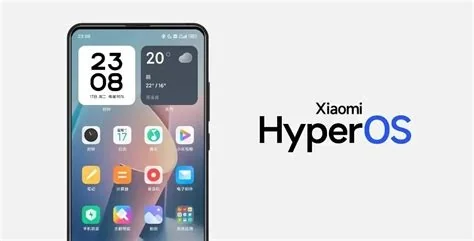
Xiaomi HyperOS 3.1 is a complete rewrite of the company’s Android skin built on the new Android 16 framework, delivering AI‑driven assistants, a refreshed UI, and up to 12 % faster app launches. The update is limited to select flagship models such as the Mi 14, Redmi K70, and POCO F5 Pro, leaving older Android 15 devices on HyperOS 3.0.
Ground‑Up Rewrite on Android 16
HyperOS 3.1 replaces the previous version with a fresh codebase that fully integrates Android 16’s security architecture. Core system apps, including a new Password Manager with end‑to‑end encryption and a re‑engineered Gallery that uses on‑device AI for sorting and object recognition, are rebuilt from scratch to enhance privacy and performance.
UI Overhaul and Performance Gains
The update introduces a cleaner, minimalist design featuring rounded corners, updated iconography, and a revamped notification shade that mirrors modern aesthetics while preserving Android flexibility. Xiaomi’s internal benchmarks report up to a 12 % reduction in app launch latency and a 9 % boost in overall system responsiveness, thanks to Android 16’s optimized runtime and tighter hardware acceleration.
Native Intelligence Features
- Call Assistant – Detects incoming calls and suggests context‑aware reply actions without sending data to the cloud.
- Smart Scheduler – Learns user routines to propose optimal meeting times, operating entirely on‑device.
- Password Manager – Stores credentials locally with end‑to‑end encryption, eliminating reliance on external services.
- AI‑Driven Gallery – Provides faster media loading, on‑device object recognition, and intelligent album organization.
- On‑Device Privacy Controls – Leverages Android 16’s security model to give users granular permission management.
Device Compatibility Limits
HyperOS 3.1 is only available for devices already running Android 16, creating a clear split in Xiaomi’s ecosystem. Supported models include the latest Mi 14 series, Redmi K70 series, and POCO F5 Pro. Older flagships such as the Mi 11 and Redmi Note 12 remain on the legacy HyperOS 3.0 branch, receiving no access to the new features.
Implications for Users and the Market
For owners of eligible devices, the update promises a faster, smarter, and more secure experience that can extend the relevance of flagship hardware. However, the exclusion of older models raises concerns about device longevity and brand loyalty, as Xiaomi’s traditionally long‑term support strategy appears to shift toward premium‑only innovation.
Global Rollout Outlook
While the beta is currently limited to China, Xiaomi has published an official list of eligible models and indicated that an international release will follow a similar selection strategy. Observers will watch how quickly the update reaches other markets and whether Xiaomi provides migration paths for devices that cannot meet the Android 16 requirement.
Conclusion
HyperOS 3.1 marks a bold step forward for Xiaomi’s software ambitions, delivering AI‑enhanced features and performance gains built on Android 16. The decision to restrict the upgrade to newer hardware, however, creates a divide among users, highlighting the trade‑off between rapid innovation and inclusive support that other Android OEMs will need to consider.