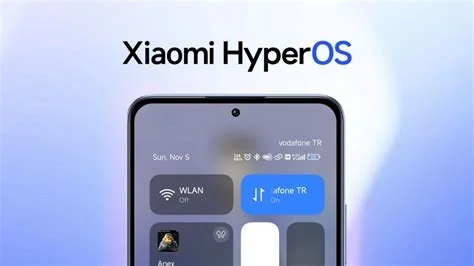
Xiaomi’s third‑generation HyperOS 3.0 is now rolling out to eligible smartphones and tablets, bringing Android 16 as the core platform, native Android 15 support, and a suite of new features such as Live Activities, cross‑platform call handling, enhanced security, and AI‑driven tools. The update is available through the MIUI update manager, with a clear eligibility list and staged rollout timeline.
HyperOS 3.0 Rollout Overview
Eligible Devices and Staged Schedule
HyperOS 3.0 targets most recent Xiaomi, Redmi and POCO flagship and mid‑range models that already support Android 15. Devices released before 2022, which lack Android 15 compatibility, are excluded. The rollout begins with the Mi 13 series and proceeds in waves, with mid‑range phones such as the Redmi Note 13 series receiving the update in subsequent weeks.
How to Update
Users can initiate the upgrade directly from the MIUI update manager. The interface displays real‑time status for each device, allowing users to monitor progress and verify successful installation.
HyperOS 3.1 Beta Preview
Key New Features
- Live Activities support – widget‑style overlays on the lock screen that show real‑time information such as music playback or delivery status.
- Cross‑platform call handling – answer iPhone calls from a Xiaomi device, blurring traditional OS boundaries.
- Enhanced security – tighter permission controls and a refreshed privacy dashboard powered by Android 16.
- Native intelligence – new Password Manager, AI‑driven Gallery sorting, and “HyperIsland” widgets that surface contextual shortcuts.
Eligibility for HyperOS 3.1
The beta is currently limited to newer models that meet Android 16 hardware requirements. Older flagships and budget devices released before 2022, such as the Mi 10 series, Redmi Note 10 series, and several early POCO models, are not included in the beta program.
Impact on the Xiaomi Ecosystem
HyperOS 3.0 serves as a bridge, unifying the majority of active devices on an Android 16 foundation while preserving Android 15 app compatibility. HyperOS 3.1 pushes the software experience toward iOS‑like functionalities, potentially attracting users who value cross‑device flexibility. The phased upgrade path may also encourage faster hardware refresh cycles among legacy device owners.
What to Watch Next
- Beta expansion – broader availability of the HyperOS 3.1 beta in additional Chinese regions and select overseas markets.
- Official rollout schedule – global release timetable will be announced through Xiaomi’s developer channels.
- Feature polishing – feedback on Live Activities and cross‑platform call handling will shape the final public version, especially regarding battery impact and privacy safeguards.