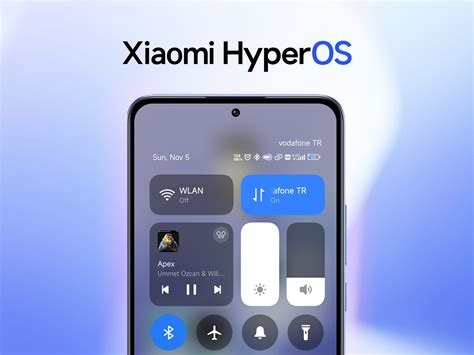
Xiaomi’s HyperOS 3.0 is now publicly rolling out to a wide range of flagship and mid‑range smartphones and tablets. Built on Android 16 with native Android 15 support, the update brings AI‑driven performance boosts, smarter battery management, and enhanced multitasking. Users can expect stable releases for top models now, with broader device coverage slated through early 2026.
Rollout Tracker Overview
The HyperOS 3.0 rollout is organized into three phases: pilot, beta, and stable. Xiaomi publishes a public tracker that lists each device’s current status, expected release dates, and available build channels. This transparent approach helps users and developers monitor progress and plan updates.
Eligible Devices and Update Channels
Flagship models such as the Xiaomi 13 Pro, Redmi K70 Pro, and POCO F5 Pro have already entered the stable channel. Mid‑range handsets, including the Redmi Note 13 series, are progressing through beta testing. All listed devices support Android 15, ensuring compatibility with the latest Google services.
Key AI‑Powered Features
HyperOS 3.0 introduces several AI‑enhanced capabilities that go beyond visual redesigns, targeting core performance and efficiency.
AI‑Enhanced Resource Allocation
The OS dynamically reallocates CPU and GPU cycles based on real‑time usage patterns. This results in smoother gaming, faster video playback, and reduced lag without manual tweaking.
Advanced Multitasking
New split‑screen gestures and background‑app throttling keep high‑priority applications responsive while conserving power, delivering a more fluid multitasking experience.
Battery Health Management
An AI‑driven charging algorithm learns a user’s daily routine to modulate fast‑charging bursts, helping extend long‑term battery lifespan and reduce thermal stress.
From MIUI to HyperOS: Evolution
Introduced in late 2025, HyperOS replaces the long‑standing MIUI skin, unifying Xiaomi’s ecosystem across smartphones, tablets, wearables, and IoT devices. By basing the platform on Android 16, Xiaomi aligns with Google’s roadmap while retaining its proprietary AI tools.
User Benefits and Market Impact
For consumers, HyperOS 3.0 delivers immediate access to the latest Android features and security patches, eliminating the need for separate Android 15 updates. AI‑driven optimizations can translate into measurable gains in app launch speed and reduced battery drain, especially on devices previously affected by thermal throttling.
From a market perspective, the update positions Xiaomi to compete more directly with Samsung’s One UI 6 and Google’s Pixel UI, both of which emphasize AI integration. The commitment to up to four major OS updates enhances the perceived software longevity of Xiaomi devices.
Future Rollout Schedule
The tracker indicates that remaining mid‑range and budget models will move to the stable channel by late February 2026, with a global release expected in early March 2026. Users are advised to back up data before installing beta or pilot builds and to regularly check the tracker for the latest download links.