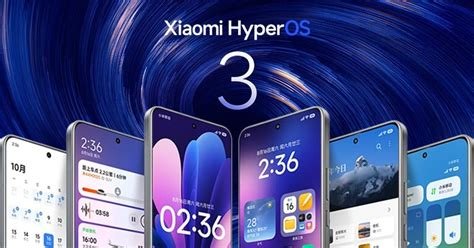
Xiaomi HyperOS 3 is now rolling out to flagship and mid‑range devices, delivering AI‑driven resource management, up to 12% better battery life, smoother multitasking, and built‑in post‑quantum encryption. Based on Android 15, the update arrives via System Update on eligible phones such as the Xiaomi 12, 12S and Civi 3, with full rollout expected by February 2026.
Key Enhancements in HyperOS 3
- AI‑Driven Resource Management: A background‑process controller learns usage patterns and throttles idle apps, extending battery life by up to 12 % in laboratory tests.
- Cross‑App Workflow Optimisation: The new “Smart Switch” framework speeds hand‑off between apps, reducing latency when moving content from the Camera to the Gallery or a messaging app.
- Post‑Quantum Cryptography (PQC): Integrated within HyperConnect, the PQC module encrypts inter‑device data streams with algorithms resistant to quantum attacks, future‑proofing file, note, and clipboard synchronization.
- Enhanced Multitasking Stability: Refined memory allocation and a lighter window manager lower crash rates when running multiple heavy apps simultaneously.
Rollout Timeline and Device Eligibility
The rollout is staggered. As of now, the Xiaomi 12, 12S, and Civi 3 receive the update through the “System Update” menu, with a download size of approximately 3.6 GB. Installation typically completes in 15‑20 minutes.
Additional devices scheduled for the next two weeks include the Xiaomi 13 series, Mi Pad 6, and select POCO models that meet Android 15 hardware requirements. Xiaomi aims to complete the update for most eligible phones by the end of February 2026.
From MIUI to HyperOS: Evolution Overview
Xiaomi transitioned from the MIUI skin to HyperOS in late 2025, positioning the new platform as a unified ecosystem across phones, tablets, wearables, and IoT devices. By basing HyperOS on Android 15, Xiaomi aligns with Google’s latest privacy and security standards while preserving its custom UI innovations.
User Impact and Industry Implications
For consumers, AI‑assisted background control reduces “App is not responding” dialogs, while battery optimisations extend screen‑on time without sacrificing performance. The inclusion of post‑quantum cryptography differentiates Xiaomi’s ecosystem as one of the first mainstream mobile platforms offering quantum‑resistant data protection, appealing to privacy‑focused users and enterprise customers.
Industry‑wide, HyperOS 3 signals Xiaomi’s move toward a premium software experience comparable to Samsung’s One UI 6 and Google’s Pixel UI. Emphasising AI‑driven efficiency over flashy features aligns with a broader trend of leveraging on‑device machine learning for power and performance optimisation.
How to Install HyperOS 3
If your device appears on the eligibility list, follow these steps:
- Open Settings → About phone → System update.
- Ensure a stable Wi‑Fi connection and a battery level of at least 50 %.
- Download and install the update, then allow the device to reboot.
Devices not yet supported should monitor official Xiaomi update announcements for future eligibility.
Future Outlook
HyperOS 3 serves as a foundation for upcoming AI‑powered contextual assistants that will proactively suggest actions based on usage patterns, as well as deeper integration with Xiaomi’s expanding IoT lineup. While early feedback is positive, long‑term stability and the practical impact of post‑quantum encryption will be closely watched by enthusiasts and security experts alike.