
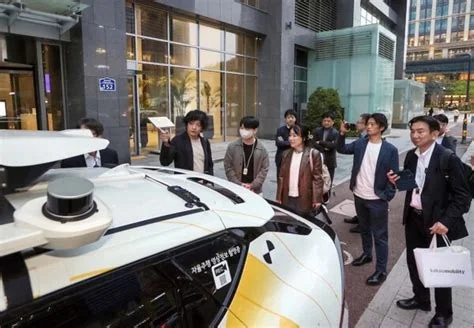
Waymo has started driver‑less robotaxi trials in Tokyo in partnership with Japan’s oldest taxi operator, Nihon Kotsu. The pilot aims to evaluate autonomous technology on busy city streets, addressing safety, maintenance and workforce concerns while offering a glimpse of future mobility in Japan.
On‑Road Pilot Details
Nihon Kotsu operates over 10,000 taxis nationwide and is testing Waymo’s autonomous vehicles on selected central Tokyo routes. The exact number of vehicles and schedule remain undisclosed, but the trial focuses on real‑world performance in dense urban traffic.
Driver and Mechanic Perspectives
Veteran drivers emphasize that AI still struggles with unpredictable pedestrians, cyclists and erratic traffic patterns, underscoring the need for human oversight. Mechanics highlight the advanced sensor suites and computing platforms that require new technical skills, prompting calls for specialized training.
Industry Context and Workforce Impact
Japan’s taxi sector faces an aging driver workforce and a shortage of new entrants, driving interest in automation to sustain service levels. While many drivers view autonomous tools as assistance rather than replacement, the debate centers on balancing efficiency with the nuanced decision‑making required in crowded city streets.
Waymo’s Global Expansion Strategy
Beyond Japan, Waymo is pursuing regulatory approvals and pilot programs in other markets, positioning itself as a worldwide provider of autonomous mobility platforms. The company promotes a “human‑in‑the‑loop” approach, aligning with local concerns while refining its technology for diverse environments.
Implications for Japan’s Mobility Landscape
If the trials prove reliable, Nihon Kotsu could lower ride costs and extend service hours without driver fatigue. However, regulatory frameworks and labor considerations remain unresolved, requiring collaboration between government agencies and industry stakeholders to ensure safe and equitable deployment.
Future Outlook
The ongoing dialogue among drivers, mechanics and executives suggests an incremental path toward autonomous taxis in Japan. Success will depend on seamless integration of AI with human expertise, shaping whether driver‑less services become mainstream or remain limited to pilot corridors.


