
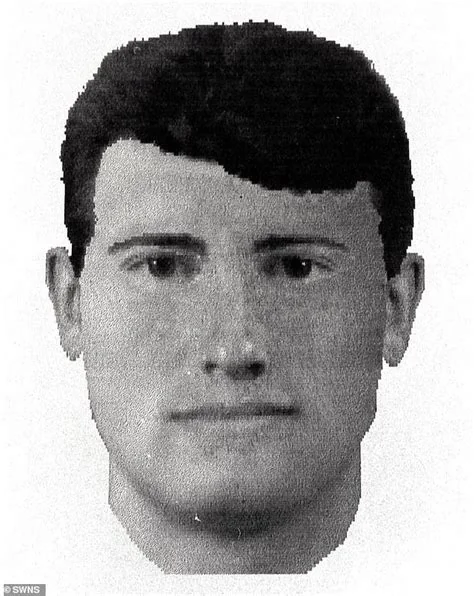
UK police have launched an AI‑powered review of the unsolved Melanie Hall murder, converting 90 crates of physical evidence into searchable digital formats and applying machine‑learning tools to uncover new leads. The initiative aims to re‑analyse interview transcripts, forensic reports and CCTV footage, offering a fresh chance to solve a case that has remained open for nearly three decades.
Background of the Melanie Hall Investigation
Melanie Hall, a 25‑year‑old psychology graduate, vanished after a night out in Bath in June 1996. Her body was discovered in 2009 near the M5 motorway, wrapped in bin bags and secured with a long nylon rope. The case, known as Operation Denmark, has involved hundreds of officers and remains one of the UK’s most enduring cold cases.
Digitising Three Decades of Evidence
Police are converting paper records, photographs, forensic reports and other documentation from 90 crates into searchable digital files. This digitisation creates a unified data set that AI algorithms can process quickly, eliminating the manual bottlenecks that have limited previous investigations.
Machine‑Learning Analysis of Records
Advanced machine‑learning models scan thousands of pages of interview transcripts, cross‑reference timestamps across logs, and flag inconsistencies that merit fresh investigation. The technology can identify patterns and connections that were previously hidden within the massive evidence archive.
AI‑Driven Suspect Narrowing
Using AI to analyse the digitised data has already reduced the pool of persons of interest from under 100 to fewer than 20. Officers are re‑interviewing alibi witnesses and focusing investigative resources on the most promising leads identified by the algorithms.
Video Analytics and CCTV Review
AI‑enhanced video analytics are being applied to over 96 hours of CCTV footage from the night of Hall’s disappearance. The system scans for missed sightings of Hall and flags any of the 36 vehicles now linked to the narrowed suspect list, accelerating the review process.
Modern Forensic Techniques
Key physical exhibits, such as the rope and bin bags, are undergoing next‑generation DNA sequencing and enhanced extraction methods unavailable at the time of the original investigation. These forensic advances aim to uncover genetic material that could identify a suspect or provide new investigative leads.
Impact on Cold‑Case Work
If the AI‑driven review yields a breakthrough, it could set a precedent for other cold‑case units across the UK and beyond. Rapid re‑processing of legacy evidence may shorten investigation timelines that have traditionally stretched over decades, demonstrating how commercial AI platforms can be repurposed for complex law‑enforcement challenges.
Potential for Wider Adoption
The approach underscores the importance of robust governance: human investigators retain final decision‑making authority while AI serves as an analytical aid. Transparent oversight ensures that the technology enhances, rather than replaces, traditional investigative expertise.
Future Steps in the Hall Investigation
The next phase involves completing the digitisation of all evidence, finalising AI‑generated leads, and conducting targeted re‑interviews. While no arrest timeline has been disclosed, the ongoing AI analysis promises to keep the investigation active and may ultimately bring closure to a case that has haunted families for decades.


