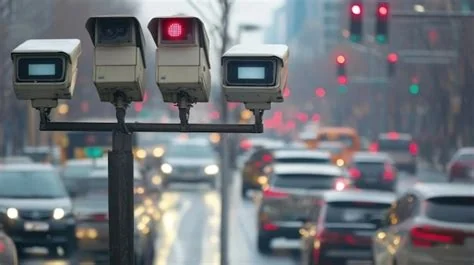
The UK government is investing £140 million in a new AI and live facial‑recognition programme designed to modernise policing across England and Wales. The initiative aims to automate routine tasks, free up six million officer hours each year and deploy fifty mobile LFR vans, promising faster suspect identification and stronger digital forensics.
Investment Overview
Live Facial‑Recognition Vans
Fifty mobile LFR units will replace the current ten, enabling police forces to scan crowds in real time and flag wanted individuals instantly.
AI‑Driven Analytics and Automation
Advanced software will process CCTV, doorbell and mobile‑phone footage, detect deep‑fakes, and accelerate digital forensics while automating administrative duties such as form filling, redaction and transcription.
Police.AI National Centre
A dedicated hub called Police.AI will coordinate the rollout, host AI‑chatbot pilots for non‑urgent queries and support the integration of AI tools across the police estate.
Structural Reforms Supporting the Tech Rollout
National Police Service Creation
A single‑nation force will merge the National Crime Agency, counter‑terrorism units, regional organised‑crime teams, police helicopters and national roads policing under one command, led by a national police commissioner.
Force Mergers
The government will review reducing the 43 existing forces to as few as 12 “mega‑forces” to achieve cost efficiencies and a more unified service.
Neighbourhood Policing Teams
Every council ward will receive dedicated teams focused on everyday crime, reinforcing community‑level policing.
Mandatory “Licence to Practice”
Officers will be required to hold a renewable licence, and the Home Secretary will gain powers to dismiss chief constables in under‑performing forces.
Implications for Policing and Civil Liberties
- Efficiency Gains: Projected six million saved hours could free officers for frontline duties, improving response times and community engagement.
- Privacy Concerns: Expanded live facial‑recognition raises questions about accuracy, bias and regulatory oversight.
- Centralisation Risks: A national service may streamline intelligence sharing but could dilute local accountability.
- Accountability Mechanisms: The Police.AI centre could serve as a single point of responsibility for algorithmic performance and data handling.
Next Steps
The Home Office will publish a detailed implementation timetable outlining procurement schedules for LFR vans, the rollout of AI analytics platforms and the force‑merger review. Parliamentary scrutiny will monitor the impact of AI tools on workload, crime‑clearance rates and public trust as the programme progresses.