
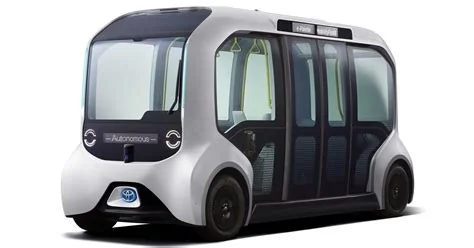
Toyota Motor Corporation has teamed with robotics firm Tier IV to equip its modular electric vehicle, the i‑Palette, with Level‑4 autonomous‑driving capability. The partnership integrates Tier IV’s sensor suite and open‑source Autoware software, aiming to deliver a turnkey, high‑automation solution for logistics, ride‑sharing and on‑demand services without extensive retro‑fit.
Collaboration Overview
Sensor Suite and Autoware Integration
Tier IV will install lidar, radar and high‑resolution cameras together with its Autonomous Driving Kit (ADK) on the i‑Palette chassis. The ADK runs on the Autoware platform, providing a unified software stack for perception, planning and control. Initial trials begin at Level 2, progressing toward full Level‑4 operation within the defined operational design domain.
Modular Design and Powertrain
The i‑Palette retains its battery‑electric powertrain while the autonomous hardware is added as a modular package. This approach preserves flexibility for passenger, cargo or mobile retail configurations and enables rapid deployment across urban logistics and mobility‑as‑a‑service fleets.
Why i‑Palette Targets Level‑4 Now
The i‑Palette’s box‑shaped, fully electric platform is purpose‑built for controlled environments such as campuses, airports and city centres. By pairing the vehicle with Tier IV’s Autoware‑based stack, Toyota seeks to accelerate the shift from pilot projects to large‑scale commercial deployments, meeting growing demand for driverless, high‑efficiency transport solutions.
Toyota’s EV Strategy Context
Toyota’s broader electric‑vehicle push supports the i‑Palette initiative. Recent updates to its mass‑market EV lineup have introduced price reductions and enhanced range, reinforcing the company’s commitment to competitive electric mobility while exploring autonomous‑service models.
Impact on the Autonomous Vehicle Ecosystem
Achieving Level‑4 autonomy on a modular EV could set a benchmark for software‑centric autonomous solutions in the commercial sector. The open‑source nature of Autoware may encourage other OEMs and fleet operators to adopt similar architectures, fostering greater standardisation across the industry.
Technical and Regulatory Challenges
Transitioning from Level 2 testing to Level 4 operation within a two‑year window demands rigorous validation of sensor fusion, decision‑making algorithms and fail‑safe mechanisms. Additionally, the vehicle’s geofenced operational design domain must obtain approval from local transport authorities, a process that varies by jurisdiction.
Future Outlook
The Toyota‑Tier IV partnership exemplifies the convergence of advanced autonomy and electric propulsion. As extended‑range EVs enter the market and autonomous platforms mature, the i‑Palette could become a template for purpose‑built, driverless vehicles serving logistics, mobility‑as‑a‑service and micro‑transit applications worldwide.


