Sumitomo Corporation’s ¥8.82 trillion purchase of SCSK Corporation marks a turning point for Japan’s system‑integrator market, shifting focus from outsourced IT to in‑house digital transformation. The deal gives Sumitomo direct control over SCSK’s cloud, AI and managed services, accelerates the rollout of physical AI solutions, and triggers a broader parent‑return wave reshaping talent and market dynamics.
Why Sumitomo’s Acquisition Redefines Digital Transformation
Strategic Value of the ¥8.82 trn Deal
By bringing SCSK—an established provider of system integration, cloud services, and managed IT operations—under its umbrella, Sumitomo converts external outsourcing spend into proprietary digital assets. The transaction secures access to an estimated 10,000 corporate customers across manufacturing, logistics, and infrastructure, enabling end‑to‑end solutions such as supply‑chain optimisation and AI‑driven predictive maintenance.
Delisting and the Parent‑Return Trend
The acquisition led to SCSK’s delisting from the Tokyo Stock Exchange, mirroring a growing pattern where system integrators become wholly owned subsidiaries of larger conglomerates. This “parent‑return” shift reduces reliance on public‑market pressures and aligns technology roadmaps with long‑term corporate strategies.
Physical AI Push: SCSK Joins AI Robot Association
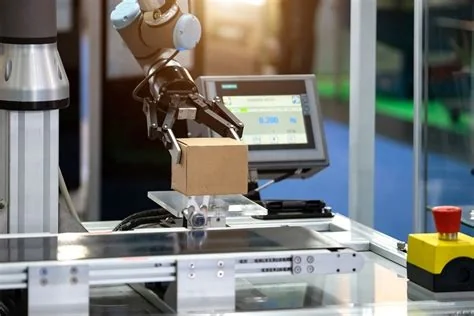
Shortly after delisting, SCSK announced its membership in the AI Robot Association (AIRoA), a consortium focused on integrating artificial intelligence with robotics for real‑world applications. Leveraging its extensive client base, SCSK aims to accelerate deployment of AI‑enabled robots for tasks such as assembly‑line inspection and infrastructure monitoring, combining its cloud‑native platforms with the hardware expertise of fellow members.
Talent Pipeline and Recruitment Strategy
To support both traditional SI services and the emerging physical‑AI portfolio, SCSK has intensified its recruitment efforts. The company’s upcoming graduate hiring program emphasizes early‑selection processes, targeted internships, and web‑based aptitude testing to attract engineers and data scientists skilled in AI and robotics.
Implications for Japan’s IT Ecosystem
- Consolidation of digital capabilities: Large conglomerates are likely to continue absorbing system integrators, creating vertically integrated tech stacks and reducing dependence on third‑party vendors.
- Accelerated AI adoption: Membership in AIRoA signals that physical AI will move from pilot projects to commercial deployments, especially in sectors facing workforce shortages.
- Talent competition: The transformation of SIers into technology‑centric subsidiaries intensifies the battle for AI‑savvy engineers, prompting firms to refine campus recruitment and upskilling programs.
- Market dynamics: The parent‑return wave may reshape capital markets, with fewer publicly listed SIers and more privately held entities focused on strategic alignment rather than quarterly earnings pressure.