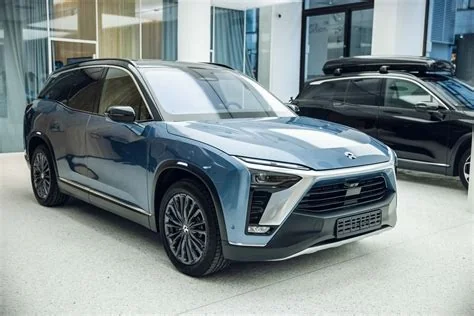
Samsung Electronics announced a shift of its DRAM production from automotive‑grade lines to higher‑margin AI‑datacenter chips, prompting Chinese electric‑vehicle makers such as NIO to highlight a growing chip‑supply gap. The move intensifies competition for high‑performance memory, forcing EV manufacturers to reassess sourcing strategies and cost structures for in‑car AI features.
Why Samsung Is Reallocating DRAM Capacity
Samsung’s memory division cited market dynamics and pricing pressure as the primary reasons for moving a portion of its 8‑nm and 5‑nm fabs toward AI‑datacenter demand. The datacenter segment offers larger volumes and premium prices, making it more profitable than the lower‑volume, price‑sensitive automotive market.
Market pressure from AI datacenters
AI‑driven datacenters consume the newest DRAM generations to support large‑scale cloud services and generative‑AI workloads. Their willingness to pay premium prices has squeezed out automotive customers, who traditionally purchase memory in smaller batches at lower price points.
Impact on automotive‑grade memory
Maintaining a dedicated auto‑grade line requires strict reliability and temperature specifications. With capacity being redirected, the economics of a separate automotive stream are becoming untenable, leading Samsung to prioritize higher‑margin products.
Challenges Facing Chinese EV Manufacturers
Chinese EV makers rely on advanced DRAM for on‑board AI processing, driver‑assist functions, and premium infotainment. The reduced supply threatens their ability to deliver next‑generation features without incurring higher costs or redesigning vehicle architectures.
Supply‑chain bottlenecks
- Longer lead times for high‑performance DRAM.
- Higher component costs for ADAS and AI features.
- Potential delays in launching advanced vehicle models.
Strategic responses
- Diversify software, interior design, and service offerings to offset hardware constraints.
- Explore alternative memory suppliers, including other global and domestic fabs.
- Redesign vehicle systems to rely on less‑cutting‑edge memory where feasible.
Industry Outlook
The convergence of AI and automotive technologies is reshaping semiconductor supply chains. As AI workloads dominate memory demand, EV manufacturers must secure reliable DRAM sources or adapt vehicle architectures. Their ability to navigate these dynamics will influence the pace of premium feature integration and the competitiveness of Chinese EVs in global markets.