Samsung Electronics is poised to unveil its flagship Galaxy S26 Ultra at the next “Galaxy Unpacked” event, now slated for February 25 2026 . The date, which has been the subject of speculation for weeks, finally gained credibility after a leak from a well‑known tipster was corroborated by multiple industry sources. The upcoming launch not only confirms the handset’s specifications and pricing but also signals a strategic shift for Samsung as it braces for intensified competition from Apple and a growing cohort of Chinese manufacturers.
Leak Confirms Release Timeline
Three days ago, Forbes reported that a reputable Samsung insider supplied a calendar invite for the Unpacked event, pinning the date to February 25. The tipster’s credibility is bolstered by a track record of accurate Samsung disclosures, and the information aligns with earlier hints that the company would push the event back by a few weeks to fine‑tune its hardware and software offerings. This timing places the S26 series launch just weeks after Apple’s anticipated September 2025 iPhone 16 release, allowing Samsung a brief window to capture early‑year market attention.
Pricing Structure and Profit‑Margin Strategy
In a detailed rundown published by Geeky and echoed across several tech blogs, Samsung has announced a tiered pricing model for the S26 line:
– Galaxy S26 – starting at $799 (US)
– Galaxy S26 Plus – starting at $999 (US)
– Galaxy S26 Ultra – starting at $1,299 (US)
These figures represent a modest increase over the previous generation’s launch prices, yet they are accompanied by a noteworthy corporate decision: Samsung will absorb an estimated 10‑15 % hit to its profit margins on the S26 family. According to Preslav Kateliev’s analysis on January 7, the Korean giant prefers to preserve market share rather than risk a price‑driven exodus to rivals such as Apple’s iPhone 16 Pro Max (priced at $1,199) and Chinese flagships from Xiaomi and OnePlus, which often undercut premium pricing while offering comparable hardware.
The margin sacrifice underscores Samsung’s aggressive stance in a market where price elasticity is sharpening. Analysts from IDC note that global smartphone shipments are projected to grow a mere 2‑3 % in 2026, meaning each incremental sale carries heightened importance for revenue targets. By “freezing” the S26 line’s price—an earlier rumor confirmed by a second leak—Samsung hopes to lock in consumer interest before competitors launch their own 2026 flagship cycles.
Feature Set and Upgrade Path
Samsung has not only focused on price; the S26 Ultra brings a suite of hardware upgrades designed to justify its premium tag:
– Display: A 6.9‑inch Dynamic AMOLED 2X panel with a 120 Hz adaptive refresh rate and a peak brightness of 1,800 nits, promising superior outdoor visibility.
– Processor: The new Exynos 2600 (global markets) and Snapdragon 8 Gen 3 (U.S. and China), both built on a 3 nm process, delivering up to 30 % better performance per watt versus the S25 series.
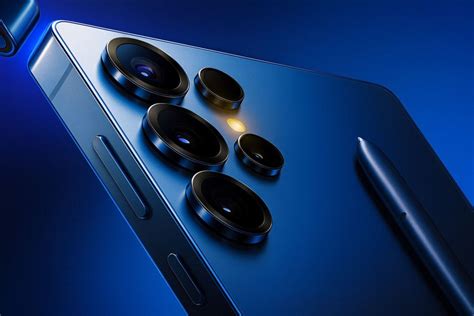
– Camera: A quad‑sensor array headlined by a 200 MP primary sensor, a 12 MP ultra‑wide lens, a 10 MP periscope telephoto with 10× optical zoom, and a 40 MP front‑facing shooter optimized for 4K video.
– Battery & Charging: A 5,200 mAh cell supporting 45 W wired fast charging, 30 W wireless, and reverse wireless charging.
– Software: One UI 7.0 on top of Android 15, featuring deeper AI integration for camera processing, on‑device translation, and adaptive battery management.
These specifications place the S26 Ultra squarely in the “ultra‑premium” bracket, aiming to outpace the iPhone 16 Pro Max’s 48 MP triple‑camera system and the forthcoming Google Pixel 9 Pro’s computational photography suite. Moreover, Samsung’s decision to retain the 120 Hz refresh rate—unlike Apple’s 60 Hz ProMotion in the iPhone 16 series—could be a differentiator for power users and mobile gamers.
Market Implications
The confirmed release date and pricing cadence have immediate ramifications for the broader smartphone market:
1. Competitive Pricing Pressure: By absorbing margin erosion, Samsung signals willingness to prioritize volume over short‑term profitability. This could force Apple and Chinese brands to reconsider their own pricing strategies, especially in price‑sensitive regions like Southeast Asia and Latin America.
2. Supply‑Chain Dynamics: The S26 Ultra’s 200 MP sensor, sourced from Samsung’s own ISOCELL division, will demand a robust supply chain. Early production ramp‑up may strain component manufacturers, potentially leading to inventory bottlenecks—a scenario reminiscent of the 2023 chip shortages.
3. Consumer Adoption: Historically, Samsung’s “Ultra” moniker has appealed to enthusiasts willing to pay a premium for top‑tier specs. However, the $1,299 price point sits at the upper edge of consumer comfort, especially as the market sees a surge in high‑spec, lower‑priced devices from Xiaomi’s Mi 12 Ultra and OnePlus’s 12 Pro.
4. Brand Perception: The price‑freeze narrative, coupled with a clear launch schedule, may reinforce Samsung’s image as a stable, reliable flagship provider. In contrast, Apple’s annual September cadence and Google’s more experimental releases could appear less predictable to investors seeking steady revenue streams.
Looking Ahead
As the February 25 Unpacked event approaches, industry watchers will scrutinize Samsung’s presentation for clues about the company’s broader 2026 roadmap, including potential foldable expansions and the integration of emerging technologies such as under‑display camera modules and satellite connectivity. If the S26 Ultra lives up to its ambitious spec sheet while maintaining the announced price, Samsung could set a new benchmark for balancing premium features with market‑friendly pricing—a delicate act that may redefine the premium smartphone segment for years to come.
This topic is currently trending in Technology.