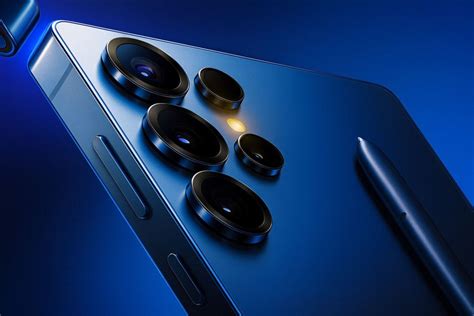
Samsung has finally locked in the launch window for its flagship Galaxy S26 Ultra, confirming a February 25, 2026 unveiling at the company’s annual “Galaxy Unpacked” event, followed by a worldwide rollout on March 11, 2026. The dates, which surfaced from two of Samsung’s most reliable leakers, bring clarity to a rumor‑filled few weeks and set the stage for what many analysts are calling a “game‑changing” iteration of the company’s premium line. Expect it to be for sale at the Samsung Store.
What the leak reveals
A tipster with a track record of accurate Samsung disclosures posted a detailed leak four days ago that identified February 25 as the official Unpacked date. The same source confirmed the device will ship on March 11, giving Samsung a two‑week window between announcement and market availability—an interval that mirrors the timeline used for the Galaxy S25 series.
In addition to the schedule, the leak reiterated Samsung’s earlier promise to keep the Galaxy S26 Ultra’s price frozen at $1,299, a strategic move meant to counteract the typical price inflation seen in previous flagship cycles. The price freeze was first reported three days ago when industry observers noted internal memos suggesting Samsung would hold the price steady despite rising component costs, particularly for the Snapdragon 8 Elite Gen 5 processor that powers the new model.
Key specifications and features
The forthcoming S26 Ultra packs several first‑generation technologies that Samsung hopes will set new benchmarks for Android flagships:
* Snapdragon 8 Elite Gen 5 – Qualcomm’s latest high‑performance chipset, promising up to 30% faster CPU performance and a 20% boost in GPU efficiency compared to the previous generation.
* 60 W wired charging – A significant upgrade from the 45 W chargers bundled with the S25 series, enabling a full charge in roughly 35 minutes.
* Qi2 magnetic fast‑wireless charging – Samsung adopts the second‑generation Qi standard, allowing magnetic alignment for faster, more reliable wireless power delivery.
* Camera system – The S26 Ultra introduces a primary 200 MP sensor with an f/1.4 aperture, a per‑pixel dual‑pixel PDAF system, and a revamped 12 MP ultra‑wide lens. Samsung claims up to 8× optical zoom with a new 10 MP telephoto module, bolstered by AI‑driven night‑mode enhancements.
* Display – A 6.8‑inch Dynamic AMOLED 2X panel with a 120 Hz adaptive refresh rate, peak brightness of 2,000 nits, and a new “Vision‑Boost” HDR engine that optimizes color accuracy for both indoor and outdoor viewing.
Context and background
Samsung’s flagship schedule has traditionally followed a February announcement and a March release cadence, but the company announced earlier this year that it would push the Unpacked event back by two weeks to February 25. The shift was attributed to supply‑chain constraints and the desire to align the launch with a broader “Spring Tech” marketing push.
Concurrently, Samsung has been under pressure from competitors—Apple’s iPhone 16 Pro series, Google’s Pixel 9 Pro, and emerging Chinese flagships from Xiaomi and OnePlus—to justify premium pricing amid a global chip shortage. By freezing the S26 Ultra’s price at $1,299, Samsung aims to maintain its value proposition while still delivering cutting‑edge hardware.
Implications for the market
If the specifications hold up under real‑world testing, the S26 Ultra could reaffirm Samsung’s leadership in the Android premium segment. The inclusion of Snapdragon 8 Elite Gen 5 positions the device competitively against Apple’s A‑series chips, especially in AI workloads and battery efficiency.
The 60 W charging capability addresses a long‑standing criticism of Samsung’s slower wired fast‑charging speeds, potentially narrowing a key differentiator for rivals that already offer 80 W or higher. Moreover, the adoption of Qi2 magnetic wireless charging aligns Samsung with the broader industry move toward standardized, higher‑efficiency wireless power, which could accelerate accessory ecosystems for cases, earbuds, and car mounts.
From a pricing standpoint, the fixed $1,299 price point may pressure competitors to reconsider their own pricing strategies, especially as the industry grapples with inflated component costs. Samsung’s decision could also influence carrier subsidies and trade‑in programs, making the S26 Ultra more accessible to price‑sensitive markets without sacrificing profit margins.
What to watch next
The February 25 Unpacked event will likely feature a live demonstration of the S26 Ultra’s camera capabilities, battery endurance tests, and perhaps an early look at software enhancements in One UI 7.0. Analysts will be watching for confirmation of the device’s launch price in different regions, as Samsung traditionally applies variable pricing based on taxes and import duties.
If the S26 Ultra meets or exceeds the expectations set by the leaks, it could solidify Samsung’s flagship dominance for another year, while the price freeze may become a new industry baseline for premium smartphones. As the rollout approaches, pre‑order numbers, carrier partnership announcements, and early benchmark scores will provide a clearer picture of the device’s market impact.
In sum, Samsung’s clarified timeline and firm pricing strategy give consumers, investors, and competitors a solid reference point for the upcoming flagship season. The Galaxy S26 Ultra appears poised to deliver a compelling blend of performance, photography, and charging convenience—attributes that could shape the direction of high‑end smartphones well into 2027.