Samsung Galaxy S26 Ultra Unveiled: 200 MP Camera, Flex‑Tech OLED and New AI‑Driven Features
First look at the design and colour options
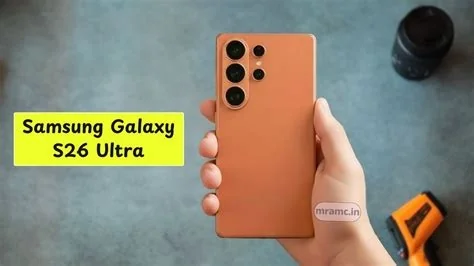
Leaks from the upcoming Galaxy Unpacked event show the S26 Ultra in two striking finishes – the classic Phantom Black and a fresh Mystic Green (sometimes referred to as Mystic Silver in early renders). Both variants keep the sleek glass back that’s become a Samsung hallmark, but the rear camera module has grown noticeably larger and more rectangular, hinting at a major sensor upgrade.
The new design isn’t just about aesthetics. Samsung’s engineers have paired the larger housing with a tougher protective layer built into the Flex‑tech OLED panel, promising higher brightness and better durability without adding bulk.
Camera system – a 200 MP leap forward
At the heart of the S26 Ultra sits a 200‑megapixel primary sensor, a bold jump from the 108 MP unit on the previous Ultra. The massive sensor should deliver unprecedented detail in daylight and, thanks to pixel‑binning, improve low‑light performance as well.
While Samsung hasn’t confirmed a periscope telephoto lens, the company appears to be leaning on computational photography and AI‑driven zoom to make up for the hardware gap. The camera array also retains Wireless PowerShare, letting the phone charge accessories or other phones on the go.
Key camera specs from the leak:
- 200 MP main sensor with advanced pixel‑binning
- Potential ultra‑wide and macro lenses (details still under wraps)
- Wireless PowerShare support for charging other devices
- On‑device AI for real‑time photo enhancement
Display – Flex‑tech OLED with 120 Hz adaptive refresh
The S26 Ultra will sport a 6.8‑inch QHD+ Dynamic AMOLED display built on Samsung’s next‑gen “M14” Flex‑tech platform. The panel promises brighter output, richer colour accuracy and a more resilient surface. Like its predecessors, it will run at a 120 Hz adaptive refresh rate, delivering buttery‑smooth scrolling while conserving battery when static content is shown.
Performance, memory and storage
Under the hood, Samsung will ship the device with either the new Exynos 2400 (for European and Asian markets) or the Snapdragon 8 Gen 3** (for the U.S. and other regions). Both chipsets are built on a 4 nm process and support advanced AI workloads.
Memory options range from 12 GB to 16 GB of RAM, paired with storage choices of 256 GB, 512 GB or a massive 1 TB. The top‑tier model will likely be the one that hits the highest price point.
Battery and charging
Samsung sticks with a 5,000 mAh cell, but the charging suite gets a boost. The phone will support 45 W wired fast charging, 15 W wireless charging and an upgraded Wireless PowerShare that can deliver faster charge rates to accessories.
Software, AI and the rumored privacy mode
One UI will get a fresh coat of AI‑driven polish. Samsung calls it “Galaxy AI,” and it promises on‑device machine‑learning for:
- Real‑time photo and video enhancement without cloud latency
- Adaptive battery management that learns your usage patterns
- Contextual UI tweaks – for example, dimming the screen when you’re in a dark environment
Separately, a privacy mode is circulating in the rumor mill. The feature would detect nearby eyes and automatically blur or dim the display, offering a hardware‑level safeguard for confidential work. While not officially confirmed, the timing aligns with Samsung’s push toward enterprise‑friendly features.
Pricing and availability
In the Netherlands, the base configuration (12 GB RAM / 256 GB storage) is listed at €1,299, while the fully‑loaded 16 GB / 1 TB model sits at €1,799. Prices in other regions are expected to follow a similar tiered structure, with the Ultra positioned as Samsung’s premium flagship.
The official launch is set for February 25 at the Galaxy Unpacked event, giving Samsung a head start in the flagship calendar before many rivals unveil their own devices.
Practitioners Perspective
For mobile photographers, the 200 MP sensor is both exciting and a bit daunting. The sheer pixel count means you can crop heavily without losing detail, but it also demands robust processing power and efficient thermal management – areas where the new Exynos and Snapdragon chips should shine.
Developers focused on AI will appreciate the on‑device processing capabilities. Real‑time enhancements that previously required cloud resources can now run locally, reducing latency and preserving user privacy.
Enterprise users may find the rumored privacy mode a compelling differentiator. If Samsung can reliably detect and obscure the screen when someone looks over your shoulder, it could become a standard feature for confidential work on the go.
Overall, the S26 Ultra feels like Samsung’s answer to a market that’s demanding higher resolution, smarter software and more versatile charging. Whether the hardware upgrades translate into everyday benefits will become clear once the phone hits the hands of reviewers and power users.