
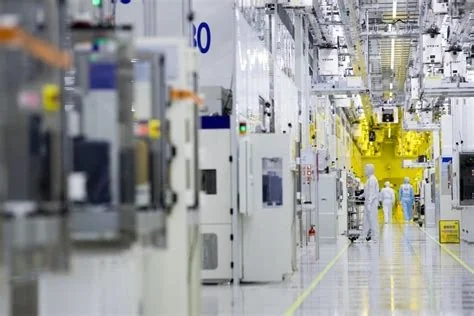
Samsung’s foundry division has achieved stable yields on its advanced 2 nm gate‑all‑around (GAA) process, positioning the company to secure high‑profile orders from Qualcomm for next‑generation Snapdragon chips. The breakthrough arrives as TSMC faces capacity limits on its own 2 nm node, creating a strategic opening for Samsung in the sub‑3 nm market.
Yield Stabilization Milestone
After years of low yields, Samsung’s 2 nm GAA line now consistently meets production targets. The stable output is being validated at Samsung’s Texas facility, where extensive EUV testing is underway to prepare for high‑volume manufacturing.
Qualcomm’s Potential 2 nm Order
Qualcomm is evaluating Samsung’s 2 nm node for its upcoming Snapdragon 8 Elite Gen 6 Pro flagship. The chipmaker plans to shift the standard‑volume Gen 6 variant to Samsung’s GAA process for the latter half of the product cycle, while initial mass production may still involve alternative suppliers.
Broader Customer Interest and Revenue Outlook
Beyond Qualcomm, other fabless companies are showing renewed interest in Samsung’s 2 nm platform. The foundry division expects to leverage profitable 4 nm and 8 nm nodes while the 2 nm ramp‑up proceeds, a combination projected to drive a significant turnaround in operating profit.
TSMC Capacity Constraints
TSMC’s dominance is being challenged by unprecedented demand for advanced nodes. Its 2 nm production capacity is approaching limits, opening a market window for Samsung to capture high‑value workloads and diversify the supply chain for leading chip designers.
Implications for the Semiconductor Ecosystem
- Diversification of Supply Chains – Qualcomm’s use of multiple foundries reduces risk for its flagship Snapdragon line.
- Accelerated Adoption of GAA Technology – Successful high‑volume production validates GAA as a viable successor to FinFET.
- Competitive Pressure on TSMC – Shifting flagship mobile workloads to Samsung may prompt TSMC to expand capacity or adjust pricing.
- Financial Turnaround for Samsung Foundry – The 2 nm ramp‑up is expected to contribute substantially to operating profit growth in the coming years.
Future Outlook
The convergence of stable 2 nm yields, TSMC’s capacity constraints, and Qualcomm’s roadmap creates a compelling case for Samsung to become a key supplier of next‑generation mobile SoCs. Industry observers will watch upcoming EUV testing at Samsung’s Texas fab and any formal announcements from Qualcomm as the potential deal progresses.


