
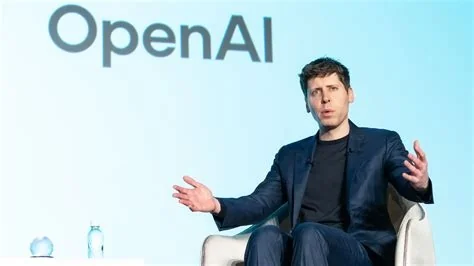
OpenAI CEO Sam Altman confirmed that the latest GPT‑5.2 model sacrifices prose fluency to boost coding and reasoning capabilities. During a developer town hall, he admitted the shift makes the model’s writing feel “hard to read” compared with GPT‑4.5, and promised future GPT‑5.x releases will restore higher‑quality text generation across applications.
Altman’s Admission on Writing Quality
Altman stated plainly that the company “screwed up” the writing performance of GPT‑5.2 by prioritizing technical features. He explained that limited engineering bandwidth forced a focus on intelligence, reasoning, and code generation, resulting in prose that feels “unwieldy” and “hard to read.”
GPT-5.2 vs GPT-4.5: Feature Comparison
Technical Strengths of GPT-5.2
- Coding assistance: Superior multi‑step reasoning and code synthesis.
- Tool use: Enhanced spreadsheet generation and presentation building.
- Professional knowledge work: Optimized for complex engineering tasks.
Writing Weaknesses Compared to GPT-4.5
- Reduced naturalness and fluidity in everyday prose.
- Longer sentences that are harder to parse.
- Less effective for marketing copy and client‑facing drafts.
Impact of the Coding‑First Trade‑off
Enterprises that rely on ChatGPT for polished text may experience a dip in output quality, while developers benefit from the model’s advanced coding capabilities. The trade‑off highlights the need to re‑test prompts and maintain fallback models when prose clarity is critical.
Future Outlook for GPT-5.x
Altman indicated that upcoming versions—potentially labeled GPT‑5.3 or GPT‑5.4—will aim to rebalance the roadmap, improving writing quality without sacrificing technical prowess. Users are advised to monitor release notes and adjust workflows accordingly.
Strategic Implications for AI Development
The admission underscores a broader industry trend: AI firms must transparently manage expectations when prioritizing specialized capabilities over general‑purpose language generation. Balancing coding excellence with high‑quality prose will remain a key differentiator in the competitive AI landscape.


