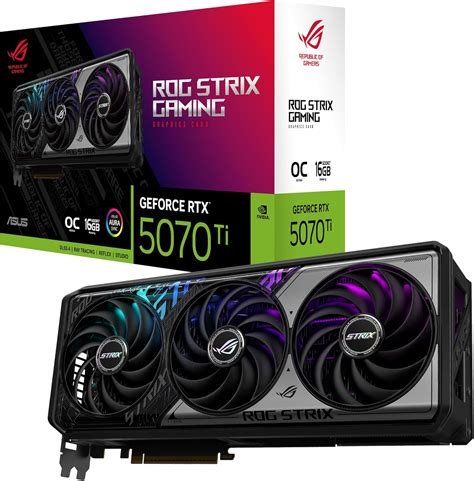
Nvidia has stopped production of the GeForce RTX 5070 Ti due to a global shortage of GDDR6 memory, redirecting resources to 8‑GB GPUs such as the RTX 5050, RTX 5060, and RTX 5060 Ti. The pause limits mid‑range options with higher VRAM, but helps maintain steady supply and pricing for the RTX 50 series in 2026 throughout the year.
What Triggered the Production Pause?
The RTX 5070 Ti was removed from Nvidia’s manufacturing schedule as the company faced an acute shortage of GDDR6 and GDDR6X chips. Memory yields have dropped because demand for AI accelerators and data‑center GPUs has surged, leaving fewer wafers for consumer graphics cards. To avoid prolonged stockouts, Nvidia’s internal supply‑planning team elected to halt the 16‑GB variant and concentrate on models that require less memory per board.
Memory Shortage and Its Impact
GDDR6 memory shortages stem from a combination of pandemic‑related factory disruptions, increased AI workloads, and high demand for next‑generation servers. Higher‑end GPUs such as the RTX 4090 consume large memory volumes, further straining the limited supply. Mid‑range cards that rely on 12‑GB or 16‑GB configurations are especially vulnerable, prompting Nvidia to shift focus toward 8‑GB SKUs that can be produced with higher yield and lower cost.
Why the Shift Toward 8‑GB Models Matters
Eight‑gigabyte GPUs like the RTX 5050, RTX 5060, and RTX 5060 Ti use less VRAM per unit, allowing Nvidia to maintain a steady flow of competitively priced cards despite the memory crunch. These models also benefit from improved manufacturing yields, which helps keep retail prices stable and reduces the risk of long‑lasting shortages that have plagued recent product launches.
Benefits for Supply Chain and Pricing
Focusing on 8‑GB configurations eases pressure on memory suppliers, shortens production cycles, and improves overall inventory turnover. Consumers gain access to new graphics cards more quickly, while retailers see fewer “out of stock” alerts. The strategy also protects Nvidia’s profit margins by avoiding the premium pricing that typically accompanies scarce, high‑VRAM models.
Implications for Gamers
Gamers looking for a mid‑range card with generous VRAM will find fewer options now that the RTX 5070 Ti is paused. Those who require ample memory for future titles with large textures or AI‑driven upscaling may need to consider the higher‑priced RTX 5070 or accept an 8‑GB variant and adjust expectations for long‑term performance.
Performance Trade‑offs
The 8‑GB RTX 5050 and RTX 5060 series still deliver solid 1440p performance and efficient ray‑tracing, but they provide less headroom for upcoming games that leverage larger texture packs. Players prioritizing frame rates at current settings will find these cards adequate, while enthusiasts aiming for maximum future‑proofing may face constraints without the additional VRAM of the halted RTX 5070 Ti.
Future Outlook for Nvidia’s RTX 50 Series
Nvidia has indicated that all RTX 50‑series GPUs will continue to ship, with production adjustments aimed at balancing availability across the portfolio. Analysts suggest the RTX 5070 Ti could return in the latter half of 2026 if memory yields improve, though the company may prioritize newer architectures that incorporate more efficient memory technologies.
Potential Return of the RTX 5070 Ti
If the VRAM market stabilizes, Nvidia may revive the RTX 5070 Ti to address the unmet demand for a mid‑range card with higher memory capacity. However, any resurgence will likely depend on the success of upcoming memory standards such as GDDR7 and HBM3‑e, which promise higher bandwidth with lower silicon consumption.
Bottom Line
The halt of RTX 5070 Ti production highlights how global component shortages can reshape product roadmaps, even for market leaders like Nvidia. By pivoting to 8‑GB GPUs, Nvidia aims to keep the RTX 50 series alive and affordable, though gamers seeking a mid‑range card with ample VRAM will need to weigh higher costs or adjust to the available 8‑GB options as the memory crunch eases.