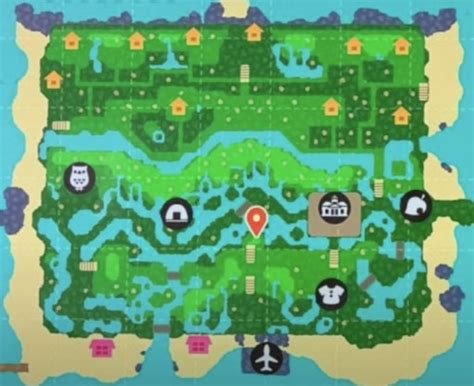
Nintendo has deleted the controversial “Adult Island” from Animal Crossing: New Horizons as part of the new 3.0 update rollout. The user‑created Dream Island, famous for its strip‑club theme, was removed after five years of availability. The move reinforces Nintendo’s commitment to a family‑friendly environment while introducing fresh design tools and seasonal content in the latest patch.
What Triggered the Removal?
Late last night the creator reported that the “Adult Island” code no longer appears in the global Dream Suite database. Nintendo’s moderation team classified the island as a violation of its Community Guidelines, which forbid sexualized or pornographic material in user‑generated content.
Community Creativity and Moderation History
Since the launch of Animal Crossing: New Horizons in March 2020, the Dream Suite has allowed players to design and share custom islands. Although the in‑game editor does not include explicit adult assets, players have used custom designs, furniture hacks, and clever asset placement to create mature themes. The “Adult Island” survived several moderation sweeps because the system relied heavily on user reports and basic automated detection, which struggled with nuanced designs.
Why the 3.0 Update Prompted Action
The 3.0 update, released on January 15 2026, adds a revamped Island Designer interface, new seasonal events, and expanded quality‑of‑life features. Nintendo emphasized that the patch is “designed to give creators more tools while ensuring a safe, inclusive environment for all ages.” Removing the adult‑themed island ahead of the update helps prevent potential brand‑image issues as attention returns to the Dream Suite.
Impact on Creators and Future Content Policies
The ban signals stricter enforcement of Nintendo’s content guidelines. Casual creators can expect a cleaner Dream Suite free of overt adult material, while more experimental designers may face increased scrutiny. Potential measures include:
- Enhanced AI‑driven image analysis to flag questionable islands before publication.
- More frequent manual reviews of reported content.
- Stricter filters in third‑party design tools to pre‑empt violations.
These steps aim to balance creative freedom with the company’s family‑first ethos.
Looking Ahead: Nintendo’s Strategy for User‑Generated Content
Despite the removal, Nintendo is unlikely to abandon user‑generated content. The 3.0 update itself demonstrates a commitment to expanding creative options. Future titles that feature player‑crafted worlds—such as the anticipated Super Mario Maker 3—will probably adopt similar moderation pipelines, using a mix of automated detection and community reporting to maintain brand integrity.