
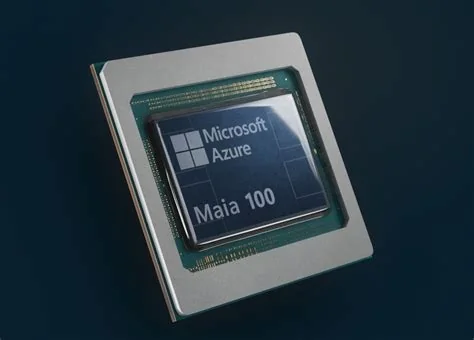
Microsoft’s second‑generation Maia 200 AI accelerator delivers 10 petaflops of FP4 compute, offers roughly 30 percent better performance‑per‑dollar than its predecessor, and claims three‑fold FP4 speed over Amazon Trainium and superior FP8 performance versus Google TPU. The 3‑nm chip is now rolling out in Azure data centers, promising faster, cheaper inference for large‑scale AI models.
Key Specifications of Maia 200
The Maia 200 is built on TSMC’s 3‑nanometer process and packs over 100 billion transistors. Its main specs include:
- Compute Power: 10 PFLOPS at 4‑bit precision (FP4)
- Performance‑per‑Dollar: Approximately 30 % improvement over the previous generation
- Transistor Count: >100 billion, providing headroom for larger models
- Form Factor: Server trays holding four chips each for rapid scaling
Performance Compared to Cloud Rivals
Microsoft positions the Maia 200 ahead of competing cloud accelerators:
- Up to 3× FP4 performance versus Amazon’s third‑generation Trainium
- FP8 performance that exceeds Google’s seventh‑generation TPU
These benchmarks aim to deliver faster inference for demanding workloads such as large language models and AI‑driven services.
Deployment and Architecture
The chip integrates into existing Azure racks with a plug‑and‑play design. Microsoft states that installation can be completed within days of parts arrival, enabling quick expansion of AI capacity across regions.
3‑nm Process Benefits
Utilizing TSMC’s advanced node provides high transistor density while maintaining power efficiency, a critical factor for large‑scale inference workloads.
Strategic Impact for Azure
By developing proprietary silicon, Microsoft reduces reliance on third‑party GPUs and creates a tighter hardware‑software stack. This strategy supports lower‑cost AI services, differentiates Azure’s offering, and strengthens its position among the leading cloud providers.
Competitive Landscape
While Nvidia remains dominant in the broader GPU market, the Maia 200 introduces a new variable that could shift pricing dynamics and spur further innovation in custom AI hardware.
Benefits for Customers
Enterprises building AI applications on Azure can expect:
- Higher inference throughput at reduced cost
- Faster response times for services like Microsoft 365 Copilot and the Microsoft Foundry platform
- Access to a dedicated SDK for developers, academics, and AI labs
Future Outlook
Microsoft plans to expand Maia 200 deployment across additional Azure regions and continue refining its software ecosystem. If performance targets are met, the chip could become a cornerstone of Azure’s AI strategy, offering a compelling alternative to GPU‑centric solutions.


