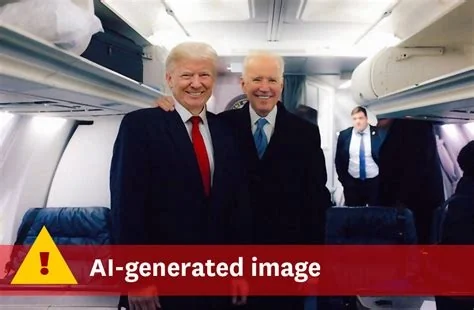
Mexico’s president displayed an image she claimed proved that drug trafficker Ryan Wedding voluntarily surrendered at the U.S. embassy. Within hours, investigators confirmed the picture was AI‑generated, exposing a lapse in verification and igniting diplomatic tension between Mexico and the United States.
AI Photo Misuse in Government Briefings
The AI‑generated portrait was projected during the daily “mañanera” press conference. The president quoted an Instagram caption that suggested the fugitive had chosen to turn himself in, yet the account responsible for the image was later identified as a synthetic media source. This incident highlights how quickly AI‑crafted visuals can infiltrate official communication.
How the Image Was Created
Experts indicate the picture likely originated from a diffusion model or generative adversarial network (GAN), tools capable of producing photorealistic portraits from simple text prompts. Without clear provenance, such content can be mistaken for authentic evidence.
Impact on Mexico‑U.S. Law Enforcement Cooperation
The claim of a voluntary surrender appears aimed at downplaying U.S. involvement in the arrest. U.S. officials maintain that the apprehension was a coordinated operation, creating conflicting narratives that could strain bilateral security collaboration.
Key Points of Tension
- Credibility Gap: Divergent statements undermine trust between the two governments.
- Operational Transparency: Accurate public messaging is essential for joint anti‑drug initiatives.
- Diplomatic Sensitivity: Sovereignty concerns intensify when law‑enforcement actions cross borders.
Need for Verification Protocols and Media Literacy
The rapid spread of the AI image demonstrates the urgency of implementing robust fact‑checking mechanisms within governmental channels. Media outlets that flagged the image acted as a de‑facto safeguard, but the initial broadcast shows how misinformation can outpace verification.
Recommended Verification Steps
- Require digital provenance metadata for all visual material used in official statements.
- Establish an independent review board to assess the authenticity of media before public release.
- Train communication staff in AI‑generated content detection techniques.
Expert Insight on AI Ethics in Politics
AI ethics specialists warn that presenting synthetic media as evidence sets a dangerous precedent. Transparent standards for visual content are needed to preserve public trust and prevent the weaponization of AI in political discourse.
Ethical Guidelines Suggested
- Disclose the use of AI tools whenever synthetic media is employed.
- Adopt clear labeling conventions for AI‑generated images.
- Develop legal frameworks that hold officials accountable for disseminating falsified visual evidence.
Consequences and Next Steps
The fallout includes increased scrutiny of Mexico’s communication practices and heightened awareness of AI‑driven misinformation. Legal proceedings against the fugitive continue, with upcoming court appearances scheduled in the United States.
What to Watch For
- Implementation of new verification protocols within government briefings.
- Potential policy reforms addressing AI‑generated content in official contexts.
- Ongoing diplomatic dialogue between Mexico and the United States regarding joint law‑enforcement operations.