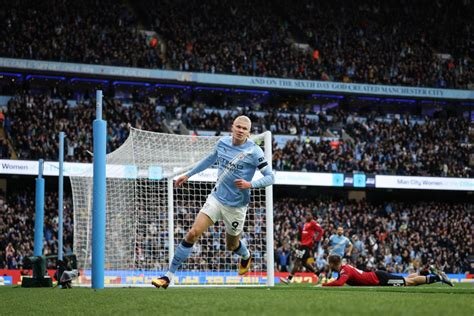
Manchester United secured a 2‑0 victory over Manchester City on 17 January 2026, using a data‑driven tactical plan and cutting‑edge broadcasting features. The win highlighted real‑time possession analysis, AI‑generated player ratings, and an interactive 4K HDR stream that let fans explore live statistics and multi‑angle replays instantly.
Match Statistics at a Glance
Possession & Pressing
The first half saw United dominate with 58 % possession, far above their season average of 45 %. Within the opening 20 minutes the team executed 12 high‑press actions, meeting the pre‑match “press‑intensity target” set by the coaching staff.
Player Ratings & Expected Goals
Advanced analytics awarded forward Amad Mbeumo a rating of 9.3 and debutant Mamadou Dorgu a 9.0, the highest scores of the round. Their combined expected goals (xG) of 0.82 contrasted with City’s 0.31, underscoring United’s clinical efficiency.
Data-Powered Tactical Innovation
Pre-Match Analytics Reveal Flank Weakness
United’s analytics team delivered a heat‑map exposing City’s left‑flank vulnerability when their full‑backs pushed high. The insight fed a “dynamic width” algorithm that instructed the wingers to exploit that space with overlapping runs.
Real-Time GPS Triggered Overload
When Mbeumo received the ball on the left, wearable GPS trackers signaled a forward run for Dorgu into the half‑space. The coordinated “third‑man” movement produced Dorgu’s 61st‑minute finish, contributing to five high‑quality chances in the final third.
AI-Generated Highlights
An AI‑driven video analysis tool auto‑created highlight reels within seconds of each goal. Fans could switch between multiple camera angles, including a 360° drone view that tracked the ball’s trajectory with sub‑second precision, thanks to computer‑vision models trained on millions of past clips.
Next-Gen Broadcast Experience
The broadcast delivered a 4K HDR stream with latency under 250 ms, enabling a live‑stats overlay that showed player ratings, xG, and press intensity in real time. Premium viewers accessed an “Analytics Lab” sidebar to explore passing networks, compare predictive models, and simulate alternative scenarios using a Monte‑Carlo engine, turning passive watching into interactive analysis.
Impact on Premier League Landscape
United’s win not only tightened the title race but also demonstrated how data pipelines and AI‑enhanced coaching can level the playing field against financially stronger clubs. The success is likely to accelerate the adoption of analytics frameworks and “digital twin” simulations across the league, shifting emphasis from pure transfer spending to technology investment.
Future Outlook
The 2‑0 triumph serves as a case study in applied AI, real‑time data visualization, and immersive broadcasting. As the Premier League embraces these tools, future matches will be measured as much by algorithmic insight as by goals scored, shaping a new era of football competition and fan engagement.