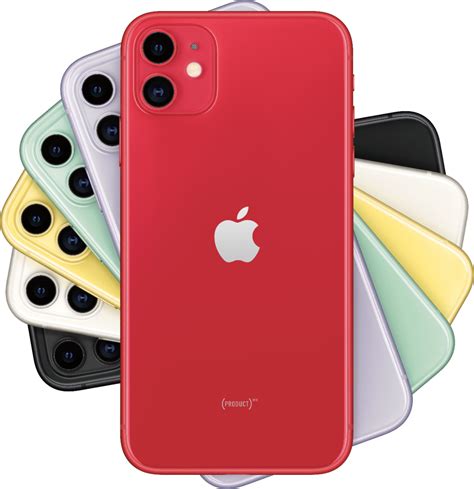
Apple is once again turning the spotlight on its flagship smartphone line, and the buzz is louder than ever. In the past three days the company has confirmed that four new iPhone models will hit the market before the calendar flips to 2026, including a highly anticipated budget‑friendly option that could finally broaden the brand’s appeal to price‑sensitive consumers. The announcements come alongside a slew of related headlines—an iPhone 18 design warning, the slated launch date for the iPhone 17 e, new budget MacBook pricing, record‑high iOS 26 adoption rates, and even speculation about Apple’s next CEO. Together, they paint a picture of a meticulously staged product pipeline that stretches several years into the future.
The Four‑Model Lineup
According to a recent Apple Loop briefing, the upcoming slate comprises the iPhone 17 e, the iPhone 18 base, and the premium iPhone 18 Pro and iPhone 18 Pro Max. While the iPhone 17 e is positioned as a modestly upgraded version of the current mid‑range offering—targeting markets where cost is a decisive factor—the iPhone 18 series is set to showcase Apple’s next‑generation silicon and design language.
The “budget model” referenced in the briefing is widely believed to be the iPhone 17 e, which is expected to launch within the next quarter. Historically, Apple’s attempts at lower‑priced smartphones—such as the iPhone SE line—have been lauded for delivering flagship‑class performance at a fraction of the cost. Analysts predict that the new budget variant could finally hit an even lower price point, potentially nudging the starting price into the $399‑$449 range, a threshold that would make the iPhone competitive against Android flagships from Samsung and Google.
A20 Pro Chip and 2nm Process: A Leap Forward
The centerpiece of the iPhone 18 Pro and Pro Max is the rumored A20 Pro processor, fabricated on an industry‑leading 2‑nanometer process. The 2 nm node, still in its infancy among mass‑produced silicon, promises a notable boost in both raw computational speed and power efficiency. Early leaks suggest that the A20 Pro will deliver up to a 30 % performance uplift over the current A19, while shaving up to 15 % off power draw—a combination that could translate into smoother gaming, faster AI‑driven features, and longer battery life even under heavy 5G usage.
Apple’s in‑house 5G modem, also slated for integration with the A20 Pro, is expected to replace the Qualcomm‑based solutions used in recent models. By consolidating the modem and CPU onto a single silicon package, Apple aims to reduce latency, improve signal processing, and gain tighter control over the radio stack—factors that could make the iPhone 18 series the most efficient 5G smartphones on the market.
Design Warning and the Roadmap Ahead
One of the more intriguing items in the Apple Loop roundup is the “iPhone 18 design warning.” Sources indicate that Apple is experimenting with a thinner chassis, a per‑pixel variable refresh rate display, and a shift to a titanium alloy frame for the Pro models. While the design changes are still under evaluation, the warning suggests that Apple may delay final design decisions until late Q4 to ensure structural integrity and heat dissipation meet the demands of the new 2 nm silicon.
Apple’s development roadmap, as outlined in a recent MacRumors analysis, reveals that the company is concurrently engineering multiple generations of iPhones with its supply chain partners. This overlapping development cycle explains how Apple can announce four distinct models within a single fiscal year while still maintaining the cadence of annual flagship releases. It also hints at the possibility of an “iPhone 19” already in the early design phase, aimed at a 2027 launch.
Market Implications
The introduction of a truly affordable iPhone could reshape Apple’s market share dynamics. In emerging economies where price has historically limited Apple’s penetration, a sub‑$500 device could boost unit sales and, by extension, services revenue—an area Apple has emphasized in recent earnings calls. Moreover, the A20 Pro’s 2 nm architecture positions Apple at the forefront of semiconductor innovation, reinforcing its reputation as a hardware leader and potentially enticing enterprise customers who prioritize longevity and performance.
From a competitive standpoint, the new 5G modem may force rivals to accelerate their own in‑house modem programs. Samsung’s Exynos and Qualcomm’s Snapdragon lines have already begun integrating advanced 5G features, but Apple’s vertical integration could set a new benchmark for power efficiency and latency.
Looking Ahead
Beyond the hardware, Apple’s ecosystem continues to evolve. iOS 26 adoption rates have surpassed 70 % globally, underscoring the platform’s stickiness and providing a fertile ground for the new iPhone models to thrive. Meanwhile, speculation about Apple’s next CEO—following Tim Cook’s eventual retirement—adds a layer of intrigue to the company’s strategic direction. Whether the new leadership will double‑down on premium devices or push the budget strategy further remains to be seen, but the current roadmap signals a balanced approach.
In sum, Apple’s four‑model rollout before the close of 2026 is more than a series of product announcements; it’s a strategic play to broaden its audience, cement its hardware supremacy, and lay the groundwork for the next generation of iPhones. As the iPhone 18 Pro and Pro Max edge closer to launch, consumers and analysts alike will be watching to see if Apple can deliver on the promise of 2 nm performance while keeping the user experience seamless—a challenge the tech giant has repeatedly embraced since Steve Jobs unveiled the first iPhone back in 2007.
This topic is currently trending in Technology.