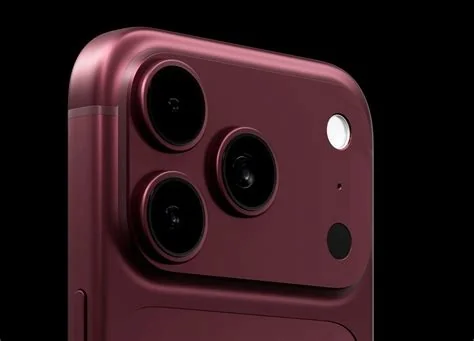
iPhone 18 Pro Unveiled: A20 Pro Chip, Slimmer Dynamic Island and New Camera Tricks
What’s new?
Apple’s next flagship line, the iPhone 18 series, is shaping up to be a decisive step forward. The headline feature is the brand‑new A20 Pro processor, which promises a noticeable jump in raw speed and efficiency. At the same time, Apple is trimming the Dynamic Island, moving Face ID under the display and squeezing more screen real‑estate out of the front panel. On the rear, larger sensors, a periscope telephoto lens on the Pro Max and a modest battery bump round out the upgrades.
A20 Pro – From 5 nm to a 2 nm Leap
The A20 Pro is the first Apple silicon that may be built on a 2‑nanometer node, a two‑step shrink from the 3 nm A17 Pro that powers the iPhone 17 series. Early benchmarks suggest a 15‑20 % uplift in single‑core performance and up to 30 % more GPU throughput. The chip runs on TSMC’s N5P 5 nm process in some early samples, but the majority of leaks point to a 2 nm “N2” fab, which would explain the dramatic efficiency gains.
Apple’s own marketing language talks about “smoother AI tasks” and “real‑time ray tracing,” and the numbers back that up: single‑thread scores hover around 1,800 points, while multi‑thread scores push past 7,200. The extra AI cores should accelerate computational photography, on‑device translation and AR workloads without draining the battery.
Display redesign: a slimmer Dynamic Island
Dynamic Island isn’t going away, but it’s getting a makeover. Engineers have narrowed the cut‑out by roughly 15 % and pushed the Face ID sensor beneath the OLED panel. The result is a near‑notch‑free experience that still supports the familiar swipe‑up gestures. Apple calls it a “compact Dynamic Island,” and the visual impact is immediate – apps and widgets now sit flush against the edge, and the top‑screen real‑estate feels more generous.
Technical side of the front‑panel shift
- TrueDepth camera stays, but its lens is now hidden under the display.
- Re‑routing of the infrared flood illuminator required a new silicon‑lens stack.
- Early production yields may dip as the under‑display module is calibrated for consistent biometric accuracy.
Camera and battery upgrades
Apple is finally matching Android flagships on sensor size. The Pro Max will sport a 48 MP primary sensor with larger pixels for better low‑light capture, and a periscope telephoto lens that reaches up to 5× optical zoom. The standard Pro model gets a 48 MP sensor as well, but without the periscope.
Battery capacity sees a modest rise across the board. The Pro Max is rumored to house a 5,000 mAh cell, while the Pro and base iPhone 18 models get roughly 4,200 mAh and 3,800 mAh respectively. Combined with the A20 Pro’s efficiency, Apple expects “all‑day” usage even under heavy AI‑driven workloads.
Model lineup and pricing
Apple could launch five variants:
- iPhone 18 (entry‑level)
- iPhone 18 Pro
- iPhone 18 Pro Max
- Two mid‑cycle refreshes slated for the following year
In Japan, the Pro models are priced as follows:
- 128 GB – ¥119,800
- 256 GB – ¥134,800
- 512 GB – ¥164,800
Sales are expected to start within a week of the global launch event, hitting major markets almost simultaneously.
Market impact and analyst outlook
Analysts see the A20 Pro’s efficiency gains as a way for Apple to stay ahead of the Android flagships that are already flirting with 2 nm silicon. The slimmer Dynamic Island and upgraded camera suite should appeal to power users and content creators who value both design elegance and raw capability.
However, the expanded model range could cannibalise sales if the lower‑priced refreshes encroach on the Pro segment. The real test will be whether Apple can keep production yields high enough to meet demand without inflating prices.
Technical challenges on the horizon
Moving to a 2 nm process isn’t just a marketing win; it brings a host of engineering headaches. Defect density climbs, thermal management becomes tighter, and power‑delivery circuitry needs a redesign to fully exploit the chip’s potential. The under‑display Face ID module also demands precise calibration to avoid false‑rejects, especially in bright sunlight.
Practitioners Perspective
Hardware engineer, semiconductor fab: “The jump to 2 nm is massive, but it’s a double‑edged sword. You get better transistor density, yet the margin for error shrinks. Yield‑ramp‑up will likely dictate how quickly Apple can ship the iPhone 18 at scale.”
App developer, AI‑focused startup: “If Apple really delivers the AI‑core boost they’re promising, we can off‑load more inference work to the device. That means faster AR filters and smoother real‑time translation without draining the battery.”
Industrial designer, consumer electronics firm: “The new Dynamic Island feels like a natural evolution. Hiding Face ID under the screen while keeping the interactive element intact is a clever compromise between aesthetics and functionality.”
What to watch
Consumers should keep an eye on three things as the iPhone 18 rolls out: the real‑world performance of the A20 Pro, the reliability of the under‑display Face ID system, and whether the camera upgrades translate into noticeably better photos in everyday lighting. If Apple nails these, the iPhone 18 series could set a new benchmark for premium smartphones.