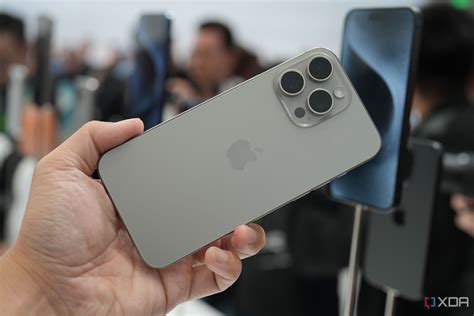
Brazilian shoppers can now buy the iPhone 15 (256 GB) for around R$4,500, a drop of roughly 44% from its original price. The steep discount, offered by major online retailers, brings the premium smartphone into the upper‑midrange price segment, making it a compelling option for consumers seeking Apple’s ecosystem without paying full price.
Why the sudden markdown?
The price plunge follows the typical post‑launch “price‑adjustment wave” that occurs after Apple’s September releases. Initially, the 256 GB model was priced near R$7,900, reflecting import taxes, logistics costs, and Apple’s premium positioning. As inventory matures and competition intensifies, retailers use bulk purchasing power and promotional financing to shave off margins.
Analysts view the discounts as a strategic move to expand the iPhone’s user base in a market dominated by Android, which holds about 80% share. Apple’s market share hovers around 15%, mostly in the premium segment. By pushing the iPhone 15 into the “upper‑midrange” bracket, Apple and its partners aim to attract upgrade‑hacking consumers who might otherwise choose high‑end Samsung or Xiaomi models.
What you get for R$ 4,499
Beyond the price tag, the iPhone 15 (256 GB) retains high‑end specifications:
- Display: 6.1‑inch Super Retina XDR OLED, 1,179 × 2,556 px resolution, 2,000 nits peak brightness.
- Durability: Front protected by Corning Gorilla Glass Victus 2; glass‑back design.
- Processor: Apple A16 Bionic chip with six‑core CPU and five‑core GPU.
- Camera: 48 MP main sensor plus 12 MP ultra‑wide lens, delivering higher‑resolution photos and improved low‑light performance.
- Software: iOS 17 with Dynamic Island UI enhancements and seamless integration across Apple devices.
- Battery: Up to 20 hours of video playback; fast‑charging up to 20 W (≈30 minutes to 50%).
- Storage: 256 GB internal, sufficient for 4K video, high‑resolution photos, and numerous apps.
Context within the iPhone 15 lineup
The iPhone 15 series also includes the larger iPhone 15 Plus (6.7 inches), the Pro line with a titanium frame and per‑pixel readout sensors, and the Pro Max featuring a 48 MP primary sensor and a periscope telephoto lens. While Pro models often exceed R$10,000, the base iPhone 15 serves as the most accessible entry point into Apple’s ecosystem, offering a balanced mix of performance, build quality, and price.
Implications for consumers and the market
For Brazilian consumers, the discount reduces the total cost of ownership. Combined with promotional financing that avoids additional fees, the iPhone 15 becomes affordable for a broader demographic. Early adopters can also benefit from Apple’s trade‑in program, further lowering out‑of‑pocket expenses.
From a market perspective, these price cuts could accelerate Apple’s penetration into the upper‑midrange segment, traditionally dominated by Samsung (Galaxy S23) and Xiaomi (12 Pro). Increased volume may enable economies of scale, prompting competitors to launch their own discount campaigns and potentially reshaping premium smartphone dynamics in Brazil.
The bigger picture
Apple’s pricing strategy in Brazil balances preserving the brand’s premium aura with adapting to local economic realities. The iPhone 15’s hardware—especially the 48 MP camera and OLED display—represents a clear technological upgrade over its predecessor, ensuring competitiveness on performance grounds. Simultaneously, the discount wave shows Apple’s willingness to leverage its supply chain and partner network to deliver compelling offers.
Consumers interested in upgrading should act quickly, as limited stock warnings suggest inventories may deplete before month‑end. For those who wait, similar promotions may reappear during major sales events such as Black Friday or local holiday sales.
In summary, the iPhone 15 (256 GB) is now available at a 44% discount, offering a high‑end smartphone experience at a price that rivals many Android flagships. This move signals Apple’s strategic push to broaden its market share in Brazil and could reshape the competitive landscape of the country’s premium smartphone segment for the remainder of 2026.