
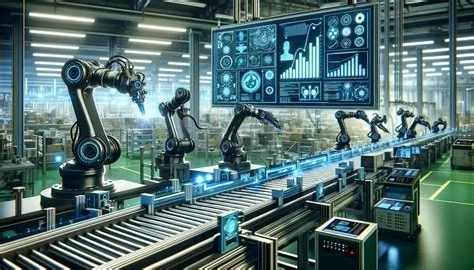
Japan’s cultured‑pearl farms are testing InHand Networks’ AI‑driven visual‑inspection system that promises 100 % defect detection on every pearl moving through the line. The technology delivers real‑time, per‑unit analysis, helping growers maintain premium quality while addressing a shrinking skilled‑labor pool. By integrating high‑resolution cameras and edge computing, the system matches line speed, eliminates sampling errors, and creates a digital audit trail for each pearl.
How AI Visual Inspection Works for Pearls
Edge Computing and Real‑Time Analysis
The inspection unit houses an edge computer that processes high‑resolution images directly on the production line. This eliminates latency from remote servers and ensures that every pearl is evaluated at the exact moment it passes the camera, keeping pace with fast‑moving conveyors.
Detecting Surface Defects
Advanced deep‑learning models compare each pearl’s surface against a learned “normal” pattern. When the system spots scratches, micro‑cracks, or gloss variations that exceed a set threshold, it flags the item for immediate rework or rejection without slowing the line.
Labor Shortage Fuels Automation in Pearl Farming
Japan’s aging workforce and declining interest among younger workers have created a persistent shortage of skilled graders in the cultured‑pearl sector. AI inspection offers a scalable alternative, allowing farms to uphold strict quality standards while reducing reliance on manual labor.
Strategic Benefits of 100% AI Inspection
- Higher Yield: Immediate removal of imperfect pearls prevents downstream processing of sub‑standard items.
- Traceability: Real‑time defect logging creates a digital audit trail that supports provenance claims for luxury buyers.
- Cost Efficiency: Automation lowers labor expenses and improves overall production economics.
Implementation Challenges and Pilot Projects
Pearls are delicate and vary subtly in curvature, requiring precise camera placement and gentle illumination to avoid damage. Successful deployment also depends on training the AI with a large, accurately labeled dataset of pearl images to differentiate natural variations from true defects. Pilot installations are currently running at coastal farms in Shima and Mie prefectures, with trial results expected later this year.
Future Outlook for AI‑Enabled Pearl Production
As AI‑driven 100 % inspection proves reliable at line speed, the cultured‑pearl industry could set a new benchmark for quality assurance in luxury goods. Continued advancements in edge computing and model adaptability will enable farms to scale the technology, meet growing consumer demand for traceable products, and mitigate the impact of a shrinking labor pool.


