Social media is awash with AI‑generated images and videos that claim to show dramatic moments from a recent ICE raid in Minneapolis. Fact‑checkers have examined the most viral content, confirming that the “bathtub Viking” chase, the “Techno Viking” escape, and a manipulated photo of civil‑rights attorney Nekima Levy Armstrong are all synthetic fabrications, not authentic documentation of the event.
False Content Categories
Bathtub Viking Chase
A short clip depicts a bearded “Viking” speeding through downtown Minneapolis in a wheeled bathtub while ICE agents pursue him. The video includes a fabricated news chyron that mimics a local TV station’s graphics.
Techno Viking Escape
This video repurposes footage of the 2000 Berlin “Techno Viking” meme, overlaying narration that ICE officers are being outrun by the dancing figure on a Minneapolis street.
Manipulated Photo of Nekima Levy Armstrong
An image circulated online purporting to show the civil‑rights lawyer crying while being arrested by ICE agents in Minnesota. The photo was altered to create a false narrative of a violent arrest.
Fact‑Check Findings
- Video verification: Both videos lack any legitimate news coverage and trace back to parody accounts that openly use AI video and image generators.
- Image verification: The photo of Armstrong was digitally altered; the original picture shows her standing calmly, not in tears or being detained.
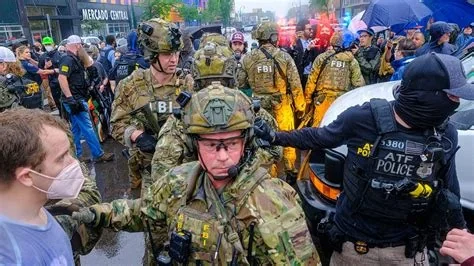
- Authentic ICE footage: A separate genuine image captures a U.S. citizen being removed from a home at gunpoint during a Minnesota raid, which was later conflated with the fabricated material.
Context of ICE Activity in Minneapolis
Recent ICE enforcement actions in Minneapolis have sparked protests and heightened media scrutiny. The volatile environment created fertile ground for misinformation, with parody accounts exploiting public interest in dramatic visuals.
Implications for Technology and Media
- Erosion of visual trust – As generative models become more accessible, distinguishing authentic footage from synthetic fabrications requires specialized verification tools and expertise.
- Amplification by social platforms – Parody accounts can achieve wide reach before fact‑checkers intervene, especially when the content aligns with existing political narratives.
- Pressure on journalists – Real‑time verification of visual claims places additional strain on newsrooms, prompting calls for integrated AI‑detection workflows.
- Policy considerations – The incidents highlight the urgency for clearer labeling standards for AI‑generated media.
What to Watch Moving Forward
Audiences should adopt a skeptical lens toward sensational visual claims, especially those lacking corroboration from established news outlets. Verify the provenance of videos or images, look for watermarks or metadata, and consult multiple sources before sharing. As AI tools lower the barrier for creating convincing deepfakes, vigilant verification remains essential to preserve information integrity.