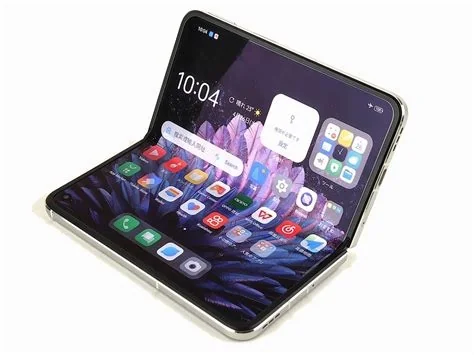
The Samsung Galaxy Z TriFold delivers a true mobile‑tablet hybrid with three panels, offering a 7.6‑inch outer display and an 8.2‑inch inner screen that work simultaneously. It features Ultra‑Thin Glass 3 durability, One UI 6.0 adaptive software, and premium performance, positioning it as a top choice for power users seeking expansive multitasking on a foldable device.
First‑Hand Impressions of the Galaxy Z TriFold
Expanded Multitasking Space
The dual‑screen setup lets users run a video call on the outer panel while editing documents on the inner panel, effectively turning the phone into a portable workstation.
Improved Durability
Samsung’s Ultra‑Thin Glass 3 (UTG 3) covers both hinges, resisting creasing after repeated folds and delivering a sturdier feel compared with earlier generations.
Seamless Software Integration
One UI 6.0 automatically reshapes app layouts to match the three‑fold geometry, minimizing manual adjustments and enhancing the overall user experience.
- Weight: Approximately 250 g, slightly heavier than two‑fold models.
- Price: Positioned as a premium flagship, reflecting its advanced hardware and software.
Competitive Pricing Landscape
While Samsung targets the high‑end segment, other manufacturers are introducing more affordable foldables. ZTE’s nubia Fold offers a 7.9‑inch AMOLED inner display and Snapdragon 8 Gen 3 performance at a mid‑range price point, challenging the premium market. The nubia Flip 3 provides a clamshell design with a 6.7‑inch outer screen, a 5.9‑inch inner panel, and a modest camera suite, appealing to cost‑conscious consumers.
Samsung Galaxy Z Fold 7 Sets Performance Benchmark
The Galaxy Z Fold 7 continues to lead the ultra‑premium foldable space with a 200‑megapixel main sensor, a 12‑core Exynos 2400 (or Snapdragon 8 Gen 3 in select regions), and an 8‑inch QXGA+ inner display refreshed at 120 Hz. AI‑enhanced “always‑on” functionality enables voice commands and notifications even when the device is folded closed, delivering a seamless experience for power users.
Emerging Trends in the Foldable Ecosystem
- Form‑factor experimentation: The three‑panel hinge of the TriFold shows manufacturers are exploring beyond traditional two‑fold designs, unlocking new productivity scenarios.
- Price elasticity: Lower‑cost models like the nubia Fold indicate that economies of scale are reducing barriers for mainstream adoption.
- Software convergence: Adaptive UI solutions from Samsung and other brands are aligning the software experience with evolving hardware capabilities.
Choosing the Right Foldable for Your Needs
Consumers now decide between a premium three‑fold experience that maximizes screen real estate and a more budget‑friendly two‑fold or clamshell design that balances performance with cost. Consider factors such as multitasking requirements, durability expectations, and price sensitivity to select the foldable that best fits your workflow.