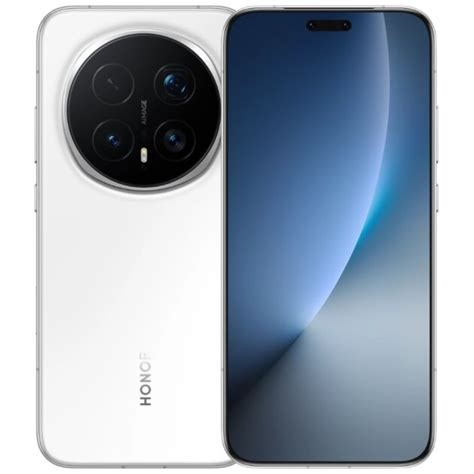
The Honor Magic 8 Pro delivers flagship‑level performance with a Snapdragon 8 Elite Gen 5 processor, a 5,200 mAh battery, and a high‑refresh LTPO OLED display. While its hardware shines, the EMUI 13 skin feels cluttered and slows the experience, leading to mixed impressions. Ideal for users who prioritize raw specs over software polish, the device offers strong value at a sub‑premium price.
Hardware Overview
Performance Powerhouse
At the core is Qualcomm’s Snapdragon 8 Elite Gen 5, providing a noticeable uplift over previous generation chipsets. Paired with up to 12 GB of LPDDR5X RAM, the phone handles multitasking, high‑resolution gaming, and AI‑intensive workloads without stutter.
Battery Endurance
The 5,200 mAh cell outpaces many competitors in the same size class. Combined with Honor’s power‑management algorithms, the device comfortably lasts a full day of heavy use and still supports an additional evening of streaming.
Display Quality
Featuring a 6.78‑inch LTPO OLED panel with 1440p resolution and a variable 120 Hz refresh rate, the screen delivers vibrant colors and adaptive refresh that conserves power during static content. The new generation Gorilla Glass adds solid scratch and drop resistance.
Camera Hardware
The quad‑camera array includes a 50 MP primary sensor, a 48 MP ultra‑wide lens, a 12 MP periscope telephoto offering 5× optical zoom, and a 13 MP monochrome depth sensor. Hardware‑level image quality shows strong detail retention and good dynamic range, especially in daylight.
Software Experience
Honor’s EMUI 13, built on Android 13, feels cluttered compared with cleaner skins from Google and Samsung. Pre‑installed bloatware, redundant system apps, and occasional lag when switching between native and third‑party apps create friction. Update cadence is slower than many flagships, causing occasional stutters that feel out of place on high‑end hardware.
Market Position and Pricing
Priced around €899/$999, the Magic 8 Pro undercuts premium rivals such as the iPhone 15 Pro and Galaxy S24 Ultra, which sit above €1,200. This positions the device as a high‑spec, lower‑price alternative for consumers who value raw performance and battery longevity over a polished software experience.
Industry Implications
The mixed reception underscores a growing industry tension: cutting‑edge hardware can outpace software refinement. While Snapdragon 8 Elite Gen 5 sets a new performance ceiling, the lack of a matching software ecosystem tempers its impact. Competitors emphasizing AI‑driven UI enhancements and rapid update cycles raise the bar for future flagship releases.
Bottom Line
The Honor Magic 8 Pro showcases what 2026’s flagship silicon can achieve: blazing CPU/GPU performance, a massive battery, and a bright, high‑refresh display. Its camera hardware excels when the software cooperates, but EMUI’s bloat and occasional lag prevent a truly premium experience. Users who prioritize specs and price will find it compelling; those seeking a seamless, future‑proof Android experience may look elsewhere.