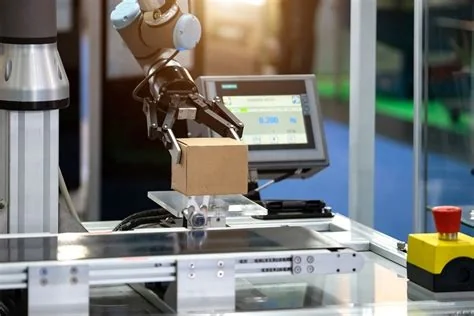
Dean Dr. [Name] of Hofstra University’s School of Engineering and Applied Sciences unveils a comprehensive AI‑driven blueprint that reshapes building design, construction, and maintenance. By integrating generative design, autonomous site robotics, and digital‑twin predictive analytics, the strategy promises faster project delivery, lower carbon emissions, and smarter asset management for the modern construction sector.
Three Pillars of an AI‑First Building Paradigm
Data‑Driven Design with Generative Algorithms
Generative design tools explore thousands of structural configurations in seconds, allowing architects to optimize cost, sustainability, and resilience. High‑resolution data feeds enable rapid iteration, ensuring that each design decision is backed by quantitative performance metrics.
Autonomous Construction Using Robotics and Drones
AI‑guided robotics, drones, and automated equipment operate on‑site to reduce labor bottlenecks, improve safety, and accelerate timelines. Real‑time sensor data synchronizes construction activities, creating a seamless feedback loop between design intent and physical execution.
Predictive Asset Management via Digital Twins
Digital twins replicate physical structures in a virtual environment. Machine‑learning models ingest sensor streams from these twins to forecast maintenance needs, extend service life, and lower lifecycle costs through proactive interventions.
Industry Impact and Academic Opportunities
- Reduced carbon footprint – AI‑optimized designs minimize material waste and select low‑impact construction methods, aligning with global decarbonization goals.
- Labor market transformation – Automation shifts demand from manual labor to skilled robotics operators, data analysts, and AI specialists, prompting targeted reskilling programs.
- Lifecycle cost savings – Predictive maintenance anticipates repairs, extending asset longevity and reducing total ownership expenses.
Challenges and Next Steps for Adoption
Key barriers include data privacy concerns, interoperability standards, and the upfront capital required for AI infrastructure. The dean advocates for collaborative standards bodies to develop open protocols that enable seamless data exchange across design, construction, and operations phases.
Pilot Program and Future Research
Hofstra SEAS will launch a pilot pairing graduate students with local developers to test AI‑driven generative design tools on a mid‑scale residential project. Findings will be compiled into a white paper, providing a concrete case study for industry stakeholders.
Call to Action for Engineers and Educators
Engineers, policymakers, and educators are invited to join the AI‑first building movement. By embedding AI fundamentals into curricula, fostering industry partnerships, and expanding research funding, the construction sector can transition from traditional practices to intelligent, data‑centric processes that deliver resilient, sustainable infrastructure.