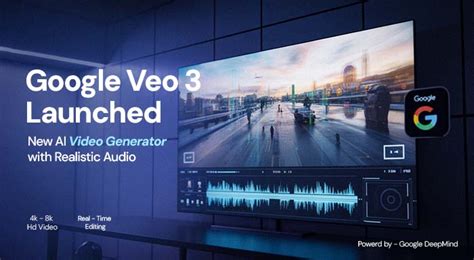
Google Veo 3.1 now generates native 9:16 vertical videos directly from reference images, with optional upscaling to 1080p or 4K. The upgrade introduces a refined “Ingredients to Video” workflow that follows prompts more accurately, maintains visual consistency, and adds synchronized audio, enabling creators to produce short‑form portrait clips on mobile devices without additional editing.
New Features in Veo 3.1
Native 9:16 Vertical Video Generation
The model can create portrait‑oriented clips from a single prompt and one or more reference images. This eliminates the need to crop landscape footage for platforms such as YouTube Shorts, Instagram Reels, and TikTok, delivering dynamic camera moves and faster pacing that feel native to vertical formats.
Improved “Ingredients to Video” Workflow
The image‑plus‑prompt process now produces more faithful instruction following, consistent character designs, and realistic background elements across frames. Users can drop a product photo or illustration, add a brief description, and receive a 15‑second vertical video that matches the style and composition of the input.
High‑Resolution Upscaling
Veo 3.1 can upscale generated clips to full‑HD (1080p) or 4K directly from a smartphone. This capability expands the utility of short‑form content, allowing the same assets to be repurposed for larger‑screen platforms without loss of fidelity.
Why Vertical Video Matters
Short‑form vertical video dominates social media consumption, driving significant advertising spend. By providing an AI tool that produces high‑quality portrait clips on‑the‑go, Google lowers technical barriers for influencers, small businesses, and brands seeking to engage mobile audiences.
Benefits for Creators and Developers
- Mobile‑first production: Generate and edit videos entirely on a smartphone, removing the need for desktop editing suites.
- Multi‑resolution output: One workflow creates both vertical short‑form clips and high‑resolution assets for broader distribution.
- API integration: The Gemini API and Vertex AI expose Veo 3.1 to SaaS platforms, enabling on‑demand video generation for marketing automation, e‑learning, and other applications.
Potential Challenges
Adoption may be affected by uncertain licensing costs and the need for clear ROI calculations. AI‑generated video still faces issues such as occasional artifacts in fast‑moving scenes and concerns around deep‑fake misuse and copyright.
Future Outlook
Google hints at future multi‑modal inputs—audio, text, and video—to enrich generation. Continued improvements in consistency, latency, and platform integrations could make Veo 3.1 a cornerstone of AI‑first content creation workflows.