Downdetector Gets Real‑Time Alerts: X Outage Insights
Downdetector, a crowd‑sourced outage monitoring platform, instantly flagged the massive X service disruption on January 13 by detecting a sharp surge in user‑reported problems that exceeded normal traffic patterns. The platform’s statistical alert threshold confirmed a “significant incident,” providing real‑time visibility before official statements were released. This rapid detection helps users and businesses understand the scope of an outage as it unfolds.
How Downdetector Detected the X Outage
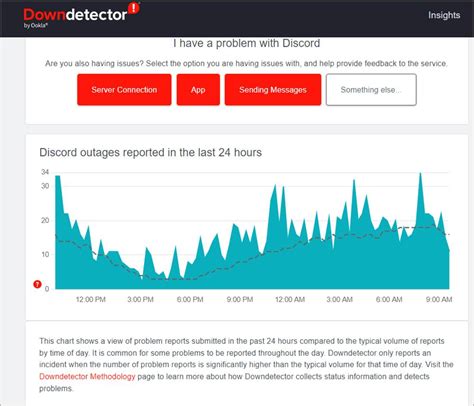
When users experience trouble with X, they can submit a brief report on Downdetector. The system continuously compares the volume of these reports against historical baselines for each hour of the day. On the day of the incident, the number of complaints spiked dramatically, surpassing the preset threshold and triggering an automatic alert on the live dashboard. This method filters out routine hiccups and highlights only widespread disruptions.
When the Monitoring Platform Is Questioned
Following the X incident, many users turned their attention to Downdetector itself, searching to see if the monitoring service was experiencing problems. While no official outage was confirmed, the surge in “Is Downdetector down?” queries underscores a growing expectation: users rely on uninterrupted access to real‑time outage data, and any perceived downtime can erode confidence in the service.
The Landscape of Real‑Time Outage Monitoring
Beyond Downdetector, a variety of real‑time monitoring services aggregate user reports, official statements, and network telemetry to generate live status pages. Crowd‑sourced monitoring offers immediacy—once a handful of users submit reports, the platform’s algorithm evaluates whether the pattern indicates a broader issue. This approach proved valuable during the X outage, where community‑driven alerts appeared before any formal communication.
However, reliance on user input introduces challenges such as false positives from localized ISP issues or coordinated spam. Most platforms mitigate these risks by comparing report volumes against historical data for each specific time segment, helping to distinguish genuine systemic failures from isolated complaints.
Impact on Users and Enterprises
For everyday users, real‑time outage information helps decide whether to troubleshoot a personal device, wait for service restoration, or switch to an alternative platform. For businesses, timely outage data informs incident‑response teams, customer‑support scripts, and public‑relations messaging. A swift acknowledgment of a problem can preserve brand trust, while delayed or inaccurate reporting may amplify the fallout.
Future Expectations for Monitoring Services
As digital‑infrastructure observability expands, monitoring platforms must apply the same resilience principles they advocate for their customers. This includes building redundancy, implementing robust alerting mechanisms, and maintaining transparent public status pages. By upholding high availability and clear methodology explanations, these services can reinforce the trust that underpins the entire ecosystem of real‑time outage reporting.