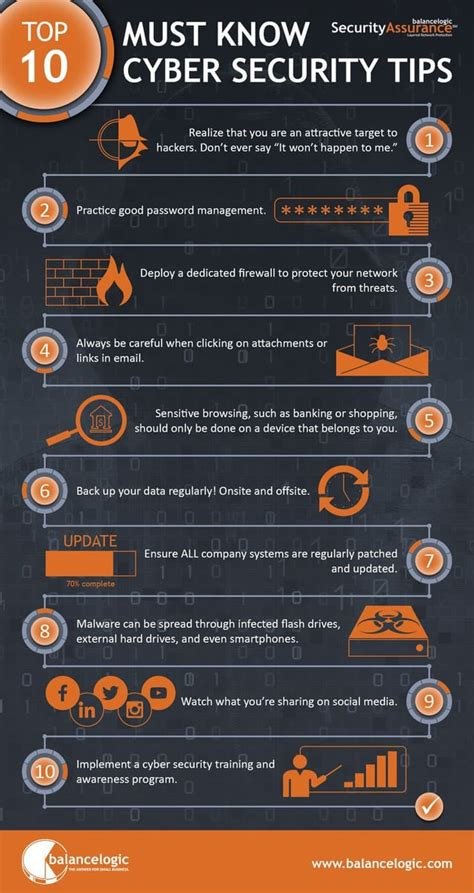
In 2026, organizations must combine AI‑driven detection with Zero‑Trust principles to protect against rising ransomware, phishing, and supply‑chain attacks. Implementing automated threat hunting, continuous encryption, and rapid incident response can cut breach costs dramatically, while transparent communication and robust patch management keep both regulators and customers confident.
Why AI and Zero‑Trust Matter in 2026
Artificial intelligence is no longer a future concept; it now powers both attackers and defenders. AI can analyze massive telemetry streams, surface hidden threats, and automate remediation faster than human teams. At the same time, the Zero‑Trust model assumes every request is untrusted, enforcing strict identity verification and continuous validation across cloud, on‑premise, and edge environments. Together, AI and Zero‑Trust create a proactive defense that reduces mean time to detect (MTTD) and mean time to respond (MTTR) by up to 70%.
11 Essential Cybersecurity Tips for 2026
1. Deploy AI‑augmented threat hunting
Use machine‑learning models to establish baselines of normal user behavior and flag anomalies in real time. Leveraging the same AI techniques attackers use helps identify threats before they materialize.
2. Adopt a Zero‑Trust Architecture (ZTA)
Enforce strict identity verification, least‑privilege access, and continuous device health checks. Zero‑Trust should be the default security posture for every network segment.
3. Automate incident response workflows
Implement security orchestration, automation and response (SOAR) platforms to execute pre‑approved containment actions—such as isolating compromised endpoints—within seconds, dramatically reducing dwell time.
4. Encrypt data at rest and in transit
Apply end‑to‑end encryption for all sensitive information. Strong encryption protects data from exfiltration and ransomware encryption, especially in regulated sectors like healthcare.
5. Conduct regular red‑team assessments
Simulated attacks uncover gaps that static compliance checks miss. By testing AI‑driven adversary techniques, you can harden weak points before real attackers exploit them.
6. Strengthen supply‑chain security
Vet third‑party vendors for security posture, require contractual security clauses, and continuously monitor their network activity to prevent trust‑relationship exploits.
7. Maintain a robust patch management cadence
Automate patch deployment and prioritize vulnerabilities with AI‑driven risk scoring, ensuring critical fixes are applied first and reducing the most common entry vector.
8. Educate users continuously
Deliver interactive, scenario‑based training that includes recent AI‑generated phishing examples. Ongoing education boosts employee resilience against social engineering.
9. Implement data loss prevention (DLP) controls
Deploy DLP tools that automatically block or quarantine unauthorized data transfers, adding an extra layer of protection for regulated information.
10. Monitor and log everything
Centralize logging and enrich it with AI analytics to create a searchable audit trail that satisfies compliance requirements and accelerates forensic investigations.
11. Develop a clear breach communication plan
Prepare a transparent, rehearsed communication strategy to mitigate reputational damage and meet regulatory obligations following an incident.
Implications for Business Leaders
Investing in AI‑powered security and Zero‑Trust is no longer optional; it directly impacts the bottom line. With average breach costs exceeding $4.5 million, early adoption of these practices can prevent both direct remediation expenses and indirect losses such as legal fees, revenue decline, and brand erosion.
Future Outlook
As 2026 progresses, AI technologies will become more sophisticated, Zero‑Trust will mature into a universal operating model, and public demand for data privacy will shape regulatory standards. Organizations that integrate intelligent automation with rigorous, privacy‑first controls will not only survive emerging threats but emerge stronger and more trusted.