
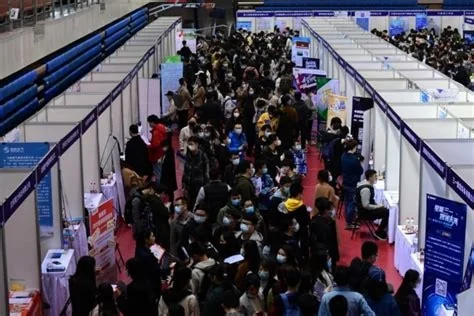
Chinese higher‑education institutions are overhauling their curricula by introducing 29 new undergraduate majors focused on artificial intelligence, robotics and advanced engineering while scaling back enrollment in several arts‑related programs. The shift aims to align graduate talent with national strategic priorities and address the growing demand for AI‑skilled professionals.
Key Elements of the Curriculum Overhaul
New AI‑Centric Majors
The added majors cover a range of cutting‑edge fields designed to produce graduates ready for high‑tech industries.
- Artificial Intelligence
- Machine Learning
- Intelligent Robotics
- Data Science and Analytics
- Autonomous Systems Engineering
- Smart Manufacturing
- Computer Vision
- Natural Language Processing
- Cyber‑Physical Systems
- Advanced Control Engineering
- Other specialized AI and engineering disciplines (totaling 29 majors)
Reduction of Arts Programs
Several universities have paused recruitment for a selection of visual, performing and literary arts majors. The reduction is presented as a reallocation of resources toward disciplines deemed essential for national innovation goals.
Impact on Workforce and Economy
By expanding AI‑focused education, universities aim to close a significant talent gap, with industry surveys indicating that up to 70% of AI‑related positions require additional training. Graduates equipped with machine‑learning, data‑analysis and robotics expertise are expected to fuel growth in autonomous manufacturing, smart city projects and other high‑value sectors.
Strategic Alignment and Future Outlook
The curriculum changes support broader national strategies that emphasize self‑reliance in high‑technology fields. While arts enrollment will decline, officials suggest that creative programs will continue in a more limited capacity, ensuring a balance between cultural heritage and technological advancement.
As the new majors launch in the upcoming academic year, universities will monitor enrollment trends, graduate outcomes and industry feedback to fine‑tune the balance between technical and creative education.


