China is rapidly integrating artificial intelligence, gene‑editing, and autonomous robotics into agriculture to combat climate stress and labor shortages. The initiative combines a nationwide AI rice‑cultivation challenge, the cloning of a heat‑tolerance gene for rice, and field‑tested farm robots, creating a smart‑farming ecosystem that promises higher yields, reduced inputs, and greater climate resilience.
AI Rice Cultivation Challenge
Competition Overview
University teams, technology firms, and agricultural cooperatives are developing machine‑learning models that optimize planting density, irrigation timing, pest‑control schedules, and harvest dates. Participants receive real‑time sensor data—soil moisture, temperature, and nitrogen levels—and feed it into predictive algorithms that generate actionable field recommendations.
Expected Benefits
The challenge aims to produce scalable AI software that can be deployed on both smallholder farms and large mechanized operations, enhancing decision‑making speed, resource efficiency, and overall crop productivity.
Heat‑Resistant Rice Breakthrough
Gene Cloning Success
Chinese scientists have cloned a gene that confers heat tolerance in rice using CRISPR‑based editing. The gene enables rice plants to maintain grain filling and quality under high‑temperature conditions that would normally reduce yields.
Path to Adoption
Marker‑assisted breeding will integrate the heat‑tolerance trait into existing high‑yield varieties, accelerating the rollout of climate‑resilient seeds and supporting food security amid rising temperatures.
Autonomous Farm Robots
Robotics in Field Operations
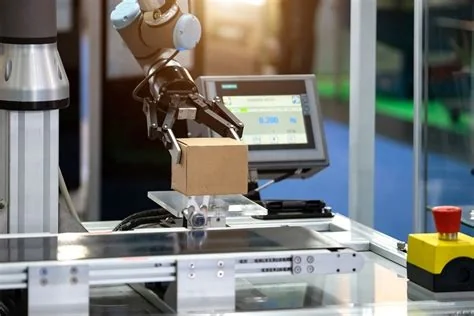
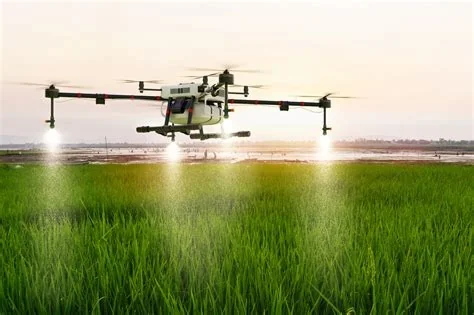
Ground‑based robots equipped with sensor networks are already managing irrigation valves and applying variable‑rate fertilizers based on AI recommendations. These machines also perform precise pesticide application, weed removal, and other labor‑intensive tasks.
Integrated AI Loop
The combination of sensor data, AI decision‑making, and robotic actuation creates a closed feedback loop that minimizes input waste, improves yield predictability, and reduces environmental impact.
Impact on Chinese Agriculture
Strategic Goals
The convergence of AI, gene editing, and robotics aligns with national objectives to build a resilient, high‑efficiency agricultural system that can sustain production despite climate challenges and a shrinking rural workforce.
Environmental Benefits
Data‑driven farming practices lower water and fertilizer usage, cut greenhouse‑gas emissions, and support China’s broader carbon‑neutrality targets.
Challenges and Next Steps
Performance Validation
The AI competition will provide empirical evidence on whether machine‑learning models can consistently outperform traditional expertise across diverse field conditions.
Deployment Roadmap
Scaling heat‑tolerant rice and autonomous robots will require regulatory approval, seed‑distribution logistics, and farmer training programs to ensure successful commercial adoption.
Conclusion
By melding AI‑driven field management, autonomous robotics, and genetically engineered heat‑resistant rice, China is forging a smarter, more resilient agricultural future. Ongoing trials will reveal how these technologies can deliver higher yields, lower resource consumption, and greater adaptability to climate stress.