
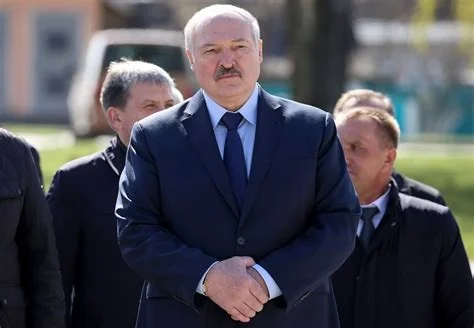
President Alexander G. Lukashenko has declared domestic scientific research, especially artificial intelligence, a core driver of Belarus’s economic development. In recent messages, he framed AI and home‑grown science as essential growth pillars, promising increased state funding, new incentives, and a dedicated Innovation Fund to boost research, startups, and national competitiveness.
President’s Statement on Science and AI
Lukashenko emphasized that domestic science is a “strategic resource for advanced development” and the “most important pillar of the national economy.” His remarks, delivered on Belarusian Science Day, highlighted the need to preserve the nation’s intellectual potential and accelerate innovation across all sectors.
National AI Initiative and Funding
Belarus’s Ministry of Education and Research has launched a comprehensive AI Initiative aimed at:
- Fostering homegrown AI startups
- Integrating AI curricula into university programs
- Establishing testbeds for AI applications in agriculture, logistics, and public services
The upcoming decree will allocate additional budgetary resources to strategic scientific fields, including AI, robotics, and data analytics. Key incentives include tax benefits for R&D, private‑sector partnership support, and the creation of a state‑run Innovation Fund for early‑stage projects.
Implications for Belarus Tech Landscape
The focus on AI as a growth pillar is expected to drive:
- Expanded scholarships and research grants for university students and faculty
- Infrastructure upgrades at major institutions such as Belarusian State University and the National Technical University
- Seed capital for AI startups targeting precision agriculture, automated manufacturing, predictive maintenance, and public‑sector data analysis
By positioning science and AI at the center of national development, Belarus aims to attract partnerships with non‑Western allies, gaining access to high‑performance computing resources and data sets otherwise limited by sanctions.
Challenges to Implementation
Despite strong rhetoric, several obstacles remain:
- Limited venture capital and a shortage of senior AI talent
- Need for rapid scaling of AI curricula and research labs
- Geopolitical sanctions that may restrict access to cutting‑edge hardware and software tools
Addressing these challenges will be critical for translating policy promises into tangible outcomes.
Future Outlook
Stakeholders are closely monitoring the formal release of the decree and the operational launch of the Innovation Fund. Effective allocation of resources could modestly boost AI research output, positioning Belarus as a regional hub for applied AI solutions tailored to its industrial strengths. The president’s endorsement provides both morale for scientists and a clear signal to investors that domestic science and AI are central to Belarus’s long‑term economic strategy.


