
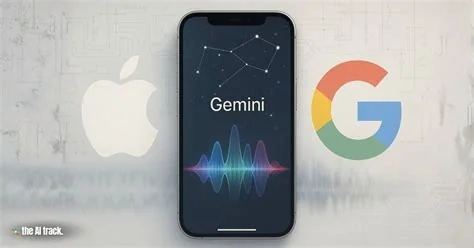
Apple is introducing a new version of Siri that runs on Google’s Gemini large‑language model, delivering highly personalized, context‑aware voice interactions. The Gemini‑powered Siri will debut with iOS 26.4, reaching iPhone 15 Pro and newer devices within weeks, and promises to handle complex requests using personal data such as emails, messages, and calendar events.
Gemini Integration Boosts Siri Capabilities
Personalized Contextual Assistance
The Gemini engine enables Siri to analyze on‑screen content and user data in real time, allowing the assistant to execute tasks like booking reservations, retrieving flight details, or composing messages with a single voice command. By leveraging generative‑text technology, Siri can generate more natural responses and understand nuanced queries.
Rollout Timeline and Device Compatibility
iOS 26.4 beta, which includes the Gemini‑powered Siri, is scheduled for release in February. The public version is expected in March or early April. Compatible devices—iPhone 15 Pro, iPhone 15 Pro Max, and later models—will receive the update automatically, with no additional subscription fees.
Strategic Impact on Apple’s AI Roadmap
Integrating Gemini marks a strategic shift for Apple, combining its “Apple Intelligence” vision with a leading external LLM to accelerate generative‑AI features. This partnership positions Apple to compete more directly with other AI assistants while maintaining control over the user experience through its software ecosystem.
User Benefits and Market Implications
For iPhone users, the new Siri offers smoother, more intuitive interactions without third‑party apps. The enhanced assistant can handle complex, multi‑step requests, reinforcing Apple’s reputation for privacy‑focused, on‑device experiences while leveraging powerful cloud‑based AI.
Future Outlook for Siri Chatbot
Looking ahead, Apple plans to evolve Siri into a full‑blown chatbot in iOS 27, delivering sustained conversational abilities that rival standalone LLM services. This next iteration aims to provide a privacy‑centric alternative that runs natively across Apple’s hardware ecosystem.


