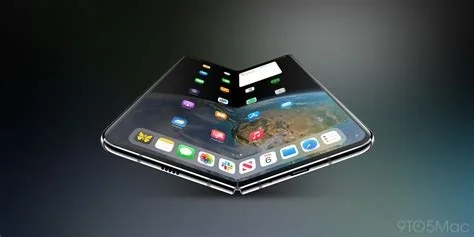
Apple will introduce the iPhone Fold in September 2026 alongside the iPhone 18 Pro, delivering a compact clamshell design that unfolds into a tablet‑size screen, a crease‑free polymer‑glass display, the new A20 Pro processor with 30% better efficiency, and integrated iOS 18 multitasking features. The premium device targets high‑end buyers and sets a new benchmark for foldable smartphones.
Design and Form‑Factor
The iPhone Fold adopts a vertical clamshell configuration that folds in half, matching the footprint of today’s standard iPhone models when closed. When opened, it reveals a large tablet‑class display while maintaining a slim profile comparable to the iPhone 14 Pro. Key design highlights include:
- Minimal‑bezel exterior for a seamless look.
- Integrated hinge built into the chassis, eliminating protruding parts.
- Pocket‑friendly thickness that preserves Apple’s signature slim silhouette.
Hardware Under the Hood
Performance and Efficiency
The device is powered by Apple’s next‑generation A20 Pro chip, delivering up to 30% greater energy efficiency over its predecessor. The chip utilizes a wafer‑level chip‑on‑wafer multi‑chip (WMCM) packaging approach, which consolidates multiple components at the wafer level to improve performance while keeping thermal output low.
Display Technology
Apple’s “crease‑free” display combines a polymer‑glass hybrid material that minimizes the visual impact of the hinge line, offering smoother touch responsiveness and a pristine visual experience. The display is reinforced with a protective coating designed to resist dust and moisture ingress.
Durability
Reinforced hinge mechanics and a robust protective coating address common durability concerns associated with foldable devices, aiming to meet the rigorous standards expected of premium Apple products.
Software and Ecosystem Integration
Launching with iOS 18, the iPhone Fold extends Apple’s multitasking framework to the larger unfolded screen. Features such as Stage Manager and Universal Control are optimized for the foldable form factor, providing a seamless transition for developers and users accustomed to a single‑screen experience.
Pricing and Market Positioning
Positioned at the top tier of Apple’s lineup, the iPhone Fold is expected to command a premium price point that exceeds current flagship iPhone models. The combination of advanced hinge engineering, the high‑end A20 Pro processor, and a crease‑free display justifies a pricing strategy aligned with other premium foldable smartphones.
Impact on the Smartphone Landscape
Apple’s entry into the foldable segment is poised to accelerate mainstream adoption of flexible displays. By leveraging its reputation for design refinement and deep ecosystem integration, Apple addresses lingering consumer concerns about durability and software support, potentially reshaping expectations for future premium smartphones.
Supply‑Chain and Production Considerations
The WMCM packaging technology streamlines assembly by reducing the number of discrete components, facilitating high‑volume production that aligns with Apple’s flagship release cadence. This efficiency could enable Apple to meet demand while maintaining strict quality standards.
Looking Ahead
If the September 2026 launch proceeds as planned, Apple will unveil the iPhone Fold at its annual event, positioning it as the flagship of the iPhone 18 family. The device’s blend of a familiar folded form factor, a large tablet‑class screen, and a high‑performance, energy‑efficient chipset may redefine consumer expectations for premium mobile computing.