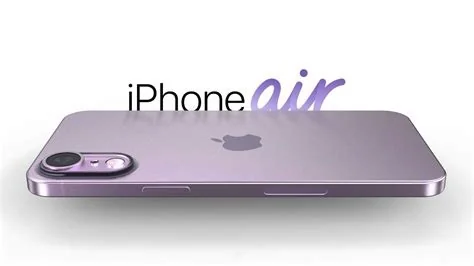
After a full 100‑day run, the Apple iPhone Air proves its ultra‑thin design and 120 Hz OLED display impress, while its A19 processor matches higher‑priced iPhone 17 Pro models. However, the lightweight chassis comes with a modest battery and a simplified 48 MP camera that fall short in heavy use and low‑light scenarios, prompting price cuts and fueling anticipation for the upcoming iPhone Air 2.
Design and Display Highlights
The iPhone Air sets a new benchmark for slimness at just 5.5 mm thick, making it the thinnest iPhone to date. Its 120 Hz OLED panel delivers vivid colors and buttery‑smooth scrolling, which appeals to gamers and media consumers alike. The sleek chassis feels premium in hand, reinforcing Apple’s reputation for refined aesthetics.
Performance and Processor Power
Powered by Apple’s A19 chip, the iPhone Air offers performance on par with the iPhone 17 Pro. Apps launch instantly, multitasking remains fluid, and demanding games run without noticeable lag. The processor’s efficiency also helps mitigate the device’s thin profile, ensuring that speed does not suffer despite the reduced size.
Battery Life and Camera Limitations
To preserve its featherweight form, Apple equipped the Air with a smaller battery that typically lasts just under a full day under heavy usage. The 48 MP main sensor delivers sharp photos in good lighting, but the lack of advanced computational photography features results in muted detail and higher noise in low‑light conditions, a notable trade‑off for budget‑conscious buyers.
Market Reaction and Pricing Adjustments
Initial sales fell short of expectations, leading retailers to apply significant discounts that bring the iPhone Air closer to mid‑range pricing. The price reductions highlight the tension between Apple’s premium brand positioning and consumer demand for tangible improvements in battery endurance and camera capability.
What to Expect from iPhone Air 2
Rumors suggest the iPhone Air 2 will arrive later this year with a modest hardware refresh while retaining the ultra‑thin silhouette. Expected changes include a slightly larger battery for better endurance and incremental camera upgrades, but the core design philosophy will remain focused on lightness and visual appeal.
Strategic Implications for Apple
- Portfolio differentiation – Positioning the Air line as an ultra‑thin, entry‑level flagship adds a distinct tier between the standard iPhone 17 and the premium Pro models.
- Margin management – A quicker Air 2 rollout with incremental upgrades can lower component costs while preserving a premium price point, protecting overall margins.
- Consumer perception – Minor updates risk labeling the Air series as a stopgap, yet the continued emphasis on design may attract users who prioritize aesthetics over raw specs.
- Competitive positioning – While rivals focus on battery life and camera versatility, Apple’s thin‑form factor could differentiate the Air line if performance trade‑offs are kept minimal.
Future Outlook
The iPhone Air’s first 100 days underscore Apple’s challenge: delivering a groundbreaking form factor without sacrificing core flagship experiences. If the upcoming Air 2 can improve battery life and refine the camera while maintaining its sleek design, the model may secure a sustainable niche in the premium smartphone market. Failure to address these criticisms could relegate the Air line to a peripheral role within Apple’s broader portfolio.