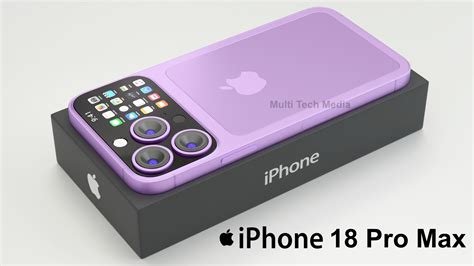
The iPhone 18 Pro Max introduces a 6.86‑inch LTPO OLED screen, an under‑display Face ID system that removes any front‑camera intrusion, a new A20 2‑nm chipset delivering significant performance gains, and camera upgrades including a side‑mount selfie lens and a variable‑aperture rear module. These changes aim to set a new premium‑smartphone benchmark for 2026.
Larger LTPO Display with Variable Refresh
The device expands the screen size from 6.7 inches to 6.86 inches while retaining LTPO technology. Variable refresh rates can reach up to 120 Hz, delivering smoother scrolling, gaming, and ProMotion content on a larger canvas.
Under‑Display Face ID Eliminates Notch
Face ID sensors are now embedded beneath the OLED panel, removing the traditional notch or Dynamic Island. This design creates a true full‑screen experience while maintaining biometric security. Early tests suggest comparable accuracy to previous generations, with improvements expected after software refinements.
A20 2‑nm Chip Boosts Performance
The new A20 processor, built on a 2‑nanometer process, promises 20‑25 % higher CPU performance and similar GPU gains over the prior A17 Bionic. The efficiency boost supports AI‑driven features such as real‑time translation, advanced AR, and faster computational photography.
Camera Upgrades: Side‑Mount Selfie Lens & Variable Aperture
A left‑side selfie camera frees the top of the display for an uninterrupted view and allows a larger sensor for better low‑light results. The rear system adds a variable‑aperture lens, enabling on‑the‑fly exposure adjustments for sharper portraits and detailed landscapes.
Pricing, Launch & Market Impact
Apple is expected to announce the iPhone 18 Pro Max in September 2026 with a starting price around US$1,199. The combination of a bezel‑less display, under‑display biometrics, and the A20 chip could push competitors toward similar full‑screen designs and raise expectations for flagship performance.
Bottom Line
The iPhone 18 Pro Max delivers a meaningful evolution across display, biometric, camera, and processing domains. If the under‑display Face ID and side‑mount selfie lens meet real‑world expectations, Apple will solidify its lead in premium smartphones and set a new standard for what a flagship device can achieve.