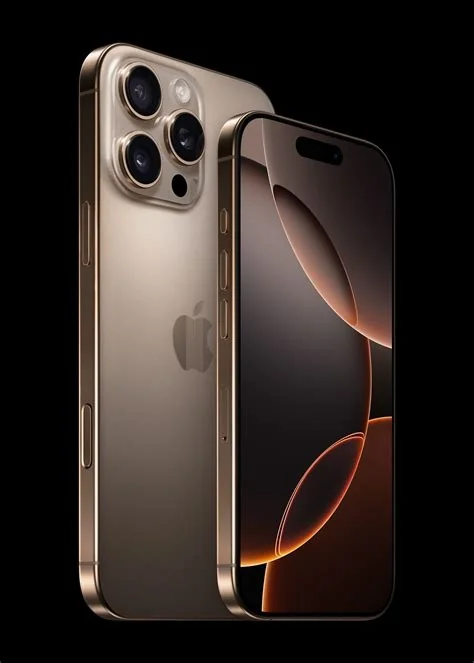
Apple’s upcoming iPhone 18 Pro Max is set to launch in fall 2026 with a brand‑new A18 Bionic chip that promises roughly a 20 % performance increase over its predecessor, alongside notable efficiency gains. The device also features a next‑gen LTPO OLED panel exceeding 2,000 nits, a variable 1‑120 Hz refresh rate, and a slimmer Dynamic Island for more usable screen space.
Key Hardware Upgrades
Next‑Generation A18 Bionic Processor
The A18 Bionic is expected to deliver a 20‑25 % speed uplift compared with the prior A17, while improving power efficiency enough to extend real‑world battery life despite the larger, brighter display. This performance jump targets power‑intensive tasks such as gaming, augmented reality, and multitasking.
Brighter, Adaptive LTPO OLED Display
Apple’s new LTPO OLED panel pushes peak brightness beyond 2,000 nits, ensuring excellent visibility in bright environments. The variable refresh‑rate technology can drop to 1 Hz for static content and ramp up to 120 Hz for smooth scrolling and high‑frame‑rate media, balancing visual fluidity with power savings.
Refined Dynamic Island Design
The Dynamic Island cut‑out has been narrowed, freeing additional screen real estate and reducing visual intrusion on larger displays. This subtle redesign improves the overall aesthetic while preserving the interactive functionality that users have come to expect.
Strategic Product Line Shift
Apple appears to be concentrating its 2026 September announcements on premium models, including the iPhone 18 Pro, iPhone 18 Pro Max, a new folding iPhone, and a potential “iPhone Air.” By limiting the lineup to high‑end devices, Apple can allocate more R&D resources to flagship innovations and capture higher margins.
Consumer Impact
Performance and Battery Life
The A18 Bionic’s efficiency gains translate into longer screen‑on time, a critical metric for users who rely on intensive apps. Faster processing also means reduced latency in gaming and smoother performance in AR experiences.
Visual Experience
With a brighter, adaptive display and a higher refresh rate, the iPhone 18 Pro Max offers a viewing experience that rivals top Android flagships. The slimmer Dynamic Island further enhances immersion by minimizing on‑screen distractions.
Market Implications
Focusing on premium models positions Apple to compete directly with Android manufacturers that dominate the high‑end segment, especially those offering foldable devices. Introducing a folding iPhone could give Apple a unique selling point and reshape the premium smartphone narrative.
However, the potential omission of a standard iPhone 18 may push price‑sensitive shoppers toward mid‑range Android alternatives or older iPhone models, potentially narrowing Apple’s addressable market while relying on brand loyalty and ecosystem lock‑in to maintain sales momentum.
What to Expect at the September Event
The upcoming September event is likely to unveil the iPhone 18 Pro, iPhone 18 Pro Max, and the rumored folding iPhone. Attendees can anticipate detailed demonstrations of the A18 Bionic’s capabilities, the new LTPO OLED display, and the refined Dynamic Island, as well as insights into Apple’s premium‑centric strategy for the next generation of smartphones.