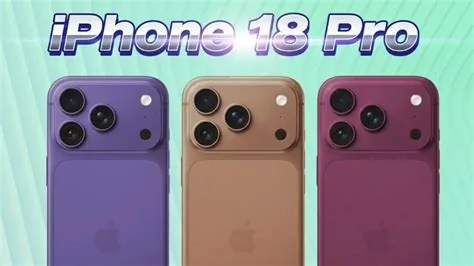
Apple is set to unveil the iPhone 18 Pro in September 2026, introducing the new A20 Pro processor, a brighter per‑pixel‑tuned OLED display, and major camera upgrades including a 48‑MP sensor and a 10× periscope lens. The launch will coincide with Apple’s first foldable device, the iPhone Fold, marking a split‑release strategy that targets both flagship and emerging foldable markets.
Expected iPhone 18 Pro Features
Design and Display
The iPhone 18 Pro is rumored to feature a slimmer bezel, a titanium frame, and a per‑pixel‑tuned OLED panel capable of exceeding 2,000 nits of peak brightness. These upgrades aim to improve outdoor visibility while maintaining the premium feel expected from Apple’s Pro line.
Performance and Chipset
Powered by the new A20 Pro silicon, the device should deliver roughly a 20% performance boost over the previous A19 chip while enhancing energy efficiency. The upgraded neural engine is positioned to handle more demanding on‑device AI tasks, supporting future software features and advanced computational photography.
Camera System
Camera enhancements are expected to include a larger 48‑megapixel primary sensor, improved sensor‑shift optical image stabilization, and a periscope telephoto lens that could provide up to 10× optical zoom. These improvements target both everyday photography and professional‑grade imaging.
Split‑Launch Strategy with iPhone Fold
Why Apple Is Pairing Flagship and Foldable
Apple plans to release the iPhone 18 Pro alongside its first foldable, the iPhone Fold, in a single September event. This approach allows the company to address divergent consumer preferences—those seeking a traditional flagship and those interested in a new form factor—while generating broader media coverage.
Benefits for Supply Chain and Revenue
Sharing the A20 Pro processor and a flexible OLED display across both devices creates hardware commonality, streamlining supply‑chain logistics. Aligning release windows also offers potential revenue upside by tapping into two high‑margin product categories during the critical Q4 period.
Market Impact and Developer Opportunities
Competitive Landscape
The dual launch positions Apple against both premium flagship rivals and emerging foldable manufacturers. By entering the foldable segment, Apple could shift consumer expectations and pressure competitors to accelerate their own innovations.
AI and Computational Photography
The enhanced neural engine in the A20 Pro chip is expected to enable more sophisticated on‑device AI workloads, such as advanced Siri interactions and real‑time image processing. Developers will gain access to greater on‑device compute power for creating richer apps and services.
Uncertainties and What to Watch For
Pricing, Storage, and Availability
Exact pricing tiers, storage options, and regional rollout details remain unconfirmed. Observers anticipate a price range comparable to previous Pro models, but final figures will depend on component costs and market positioning.
iPhone Fold Details
Specifics about the iPhone Fold’s durability, hinge mechanism, and software adaptations are still speculative. Apple has not released official specifications, so further leaks or announcements are expected in the weeks leading up to the September event.
Bottom Line
The iPhone 18 Pro appears set to continue Apple’s incremental innovation path with a stronger processor, brighter display, and upgraded camera suite, while the simultaneous introduction of the iPhone Fold marks a bold expansion into the foldable market. This split‑launch strategy could reshape Apple’s product cadence and influence the broader smartphone landscape as the September 2026 launch approaches.