Apple iPhone 18 Pro Set to Redefine the Flagship Experience with Under‑Screen Face ID, New Chipset and Advanced Camera Tech
What’s new?
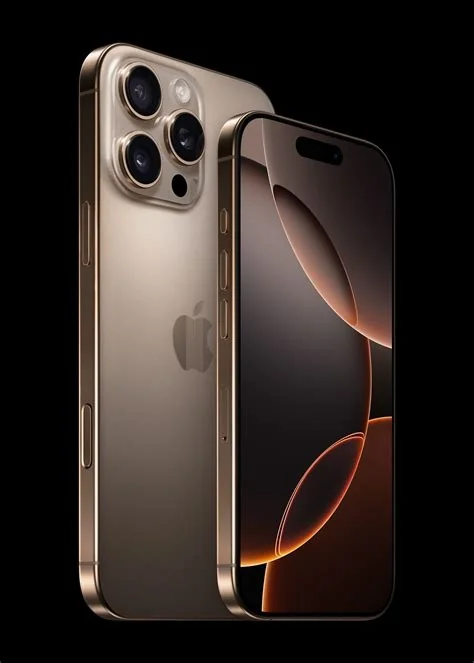
Apple’s next‑generation flagship, the iPhone 18 Pro, is slated for a September 2026 debut. The most eye‑catching change is an under‑screen Face ID system that finally erases the notch, delivering a true edge‑to‑edge display. Alongside the biometric overhaul, Apple is rolling out a fresh silicon platform, a revamped camera module and a handful of new finishes that together promise a noticeable leap over the iPhone 17 series.
Design language and colour palette
The iPhone 18 Pro keeps the flat‑edge silhouette introduced with the iPhone 14 Pro line, but the rear camera block has been reshaped into a compact rectangle that sits flush with the chassis. Subtle refinements to the aluminium frame give the phone a slimmer profile, while the front‑facing camera aligns perfectly with the under‑screen Face ID array, preserving the seamless look.
- New finishes: muted midnight‑green and glossy sapphire‑blue join the existing palette, offering a premium feel without straying from Apple’s signature aesthetic.
- Dynamic Island: with the notch gone, the Dynamic Island migrates to a software‑driven overlay that can expand or contract as needed, keeping the experience familiar yet cleaner.
Display: staying the course
Both the 6.1‑inch iPhone 18 Pro and the 6.7‑inch iPhone 18 Pro Max retain the LTPO OLED panels that powered the previous generation. Apple sticks with a 120 Hz refresh rate and high peak brightness, ensuring buttery‑smooth scrolling and vivid colours even in bright sunlight. By keeping the proven display tech, Apple can focus its engineering budget on the under‑screen biometric sensors and the new camera hardware.
Performance engine – A18 Bionic or A20?
Official leaks point to an A18 Bionic chip built on a 3‑nanometre process. The CPU and GPU receive a noticeable uplift, translating into faster app launches, smoother multitasking and richer gaming visuals. The 3‑nm architecture also improves power efficiency, meaning the 120 Hz display can stay on longer without draining the battery.
At the same time, some analysts have floated the possibility of an A20 processor, hinting at an even newer manufacturing node and a beefed‑up Neural Engine. If Apple does introduce the A20, we can expect a jump in AI‑driven tasks such as real‑time photo processing, on‑device translation and advanced AR experiences.
Either way, the next‑gen silicon will accelerate machine‑learning workloads while keeping the thermal envelope in check, a crucial factor for a device that now houses its front‑facing sensors beneath the display.
Camera system – dual‑gain, variable aperture and Pro‑RAW+
Apple is taking a two‑pronged approach to photography. First, the sensor adopts a per‑pixel dual‑gain architecture, capturing more light without enlarging the lens. This translates to cleaner low‑light shots with less noise, a boon for night‑time shooters.
Second, rumors confirm a variable‑aperture lens that can swing between f/1.5 and f/2.8. The hardware‑level aperture change gives photographers finer control over depth of field and lets the sensor gather more light when the scene calls for it. Combined with the dual‑gain sensor, the iPhone 18 Pro should out‑perform many Android flagships that still rely on software tricks alone.
On the software side, Apple adds a new “Pro‑RAW+” format. Building on the existing ProRAW and ProRes capabilities, Pro‑RAW+ preserves even more detail and dynamic range, allowing power users to push edits further without sacrificing image fidelity.
Under‑screen Face ID and biometric future
The under‑screen Face ID embeds the infrared dot projector and camera beneath the OLED panel, eliminating the notch or any punch‑hole. Apple’s “TrueDepth‑2” algorithm promises faster authentication while maintaining the high security standards users expect.
Because the sensors sit under the display, Apple had to redesign the front glass stack to remain transparent to infrared light. Early prototypes suggest the system works reliably across a range of lighting conditions, though the final rollout will reveal any latency or accuracy quirks.
Strategic impact of the 2026 lineup
Apple appears to be consolidating its high‑end portfolio around the iPhone 18 Pro, Pro Max and, intriguingly, a potential folding iPhone. By pushing premium features—under‑screen biometrics, variable aperture and a next‑gen chip—into the Pro line, Apple can command higher margins while keeping the standard models simpler and more affordable.
This strategy also positions Apple to directly challenge Android flagships that already sport under‑display fingerprint sensors and variable apertures. If the under‑screen Face ID works flawlessly, Apple will finally close the gap that many critics have pointed out for years.
Practitioners Perspective
Photographer’s take: “The dual‑gain sensor and variable aperture feel like a natural evolution of the iPhone’s camera story. I’m especially excited about Pro‑RAW+ because it gives me the latitude I need for heavy post‑processing without having to jump to a DSLR.”
App developer’s take: “The A18’s efficiency gains mean we can run more intensive ML models on‑device without worrying about battery drain. If Apple does roll out the A20, the extra Neural Engine cores will let us push real‑time AR experiences that were previously out of reach on iOS.”
Everyday user’s take: “A full‑screen display without a notch is something we’ve been waiting for. If Face ID stays as quick as it is now, I don’t see any reason to stick with my old iPhone.”
What’s still uncertain?
Apple hasn’t confirmed the exact performance numbers for the A18 or any potential A20, nor have they shown a working prototype of the under‑screen Face ID at a public event. The variable‑aperture mechanism also raises questions about durability and how quickly the lens can shift between settings.
All eyes will be on the September 2026 keynote, where Apple is expected to unveil the final specs and demonstrate the new biometric system in action.