Apple’s upcoming iPhone 18 Pro is rumored to feature an under‑display Face ID system and a front‑camera moved to the upper‑left corner, delivering a near‑full‑screen design. The device is expected to run on a 2 nm A20 processor with 12 GB of RAM, a 6.27‑inch LTPO OLED panel at 120 Hz, and upgraded camera hardware, positioning it as a premium flagship for 2026.
Front‑Camera Redesign and Under‑Display Face ID
Display Layout
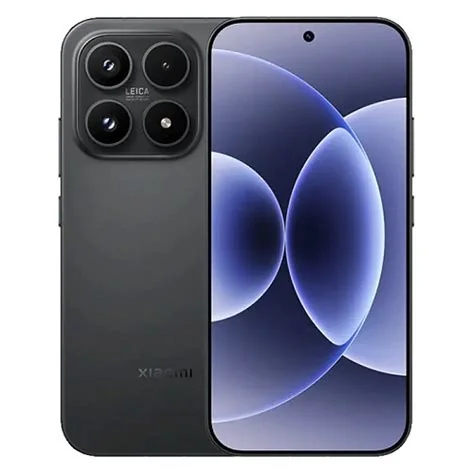
The new renders show an almost uninterrupted display with only a tiny circular cut‑out in the upper‑left corner for the selfie camera. The traditional notch is eliminated, creating a cleaner aesthetic and more screen real‑estate for apps and media.
Biometric Integration
Face ID sensors are embedded beneath the screen using a micro‑transparent crystal that allows infrared light to pass through. This approach aims to preserve the speed and security of Apple’s facial recognition while removing visible hardware from the front face.
Performance and Memory
A20 Chipset
The iPhone 18 Pro is expected to be powered by Apple’s next‑generation A20 processor, fabricated on a 2 nm process node. The chip promises higher efficiency, faster AI inference, and improved graphics performance compared with the previous generation.
RAM Upgrade
Memory is rumored to increase to 12 GB of RAM, a notable jump from the 8 GB found in the iPhone 17 Pro. The extra capacity supports more demanding multitasking, advanced computational photography, and smoother operation of AI‑driven features.
Camera System Enhancements
Rear‑Camera Improvements
While exact specifications remain unconfirmed, leaks suggest larger sensors and refined computational photography algorithms that will leverage the A20’s neural engine for better low‑light performance and detail retention.
Selfie Performance
Relocating the front camera to the corner frees up internal space, potentially allowing a larger sensor or new lens elements. This could translate into brighter, sharper selfies and more accurate portrait mode effects.
Design Impact and User Experience
Aesthetic Benefits
Embedding Face ID under the display and minimizing the front‑camera cut‑out creates a sleek, near‑borderless look that aligns with industry trends toward true full‑screen devices.
Software Adaptation
Apple’s portrait mode, facial tracking, and other camera‑related software will need to adjust to the new lens position. Historically, iOS updates have handled such hardware changes seamlessly, ensuring a smooth user experience at launch.
Potential Engineering Challenges
Depth Sensing Accuracy
Maintaining reliable depth perception through a transparent layer is critical. Apple must ensure that the under‑display Face ID system works consistently in bright sunlight and when the screen is covered by a case.
Case Compatibility
Because the biometric sensors sit beneath the display, case designs may need to accommodate the new hardware without obstructing infrared signals, adding a consideration for accessory manufacturers.
Market Outlook and Launch Timeline
Pricing Expectations
Given the advanced display technology and upgraded internals, the iPhone 18 Pro is likely to command a premium price point within Apple’s flagship lineup.
Release Window
Apple typically announces new iPhone models in September. If the current rumors hold true, the iPhone 18 Pro could be officially unveiled and released in the fall of 2026.