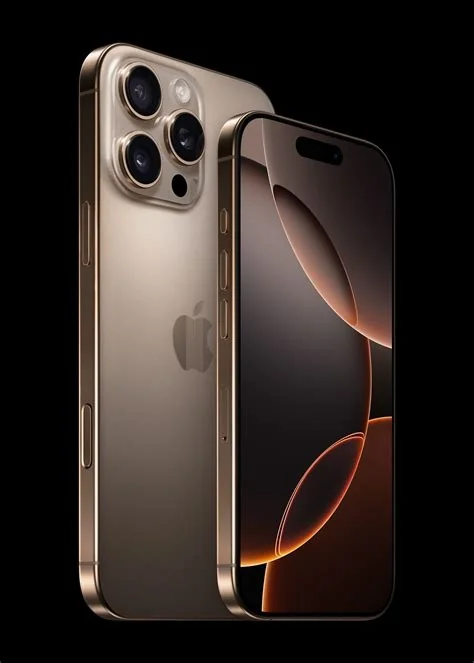
Apple iPhone 18 Pro & Pro Max Set to Redefine the Front‑Face with Under‑Display Face ID and Bigger Screens
What’s new?
Apple’s next flagship line, the iPhone 18 Pro and iPhone 18 Pro Max, is shaping up to be the most radical redesign since the iPhone X. The biggest headline is an under‑display Face ID system that finally lets the biometric sensor disappear beneath the glass. At the same time, Apple is pushing the screen envelope with larger panels, a revamped Dynamic Island, a 2 nm A20 processor, and a hefty 12 GB of RAM.
Design overhaul: off‑center camera and near‑invisible cut‑out
Leaks show the traditional notch gone for good. A tiny circular aperture sits in the upper‑left corner (some renders place it upper‑right) to house the selfie lens, while the rest of the front face is pure display. By moving the camera off‑center, Apple frees up more uninterrupted screen real‑estate, delivering a true‑edge experience that rivals the latest Android flagships.
Under‑display Face ID technology
The new sensor sits under a micro‑transparent crystal layer that lets infrared light pass through. In theory, the dot projector and flood illuminator work just as fast as today’s notch‑based system, but without any visible hardware. Apple claims the approach will keep authentication quick and secure, even in bright sunlight, though engineers will need to solve depth‑sensing challenges through the glass.
Performance and memory
Powering the device is the upcoming A20 chip, fabricated on a 2 nm process. The move promises a noticeable jump in efficiency, AI inference speed, and graphics horsepower. Coupled with a jump to 12 GB of RAM—up from 8 GB in the iPhone 17 Pro—multitasking, computational photography, and on‑device AI should feel smoother than ever.
Display and size options
- iPhone 18 Pro: 6.27‑inch LTPO OLED panel, 120 Hz refresh, higher pixel density thanks to the larger glass area.
- iPhone 18 Pro Max: 6.86‑inch panel, same refresh rate, aimed at power users who crave the biggest screen.
Both models keep Apple’s hallmark brightness and contrast, but the extra inches should make HDR content feel even more immersive.
Camera system upgrades
Behind the rear lenses, Apple is reportedly fitting larger sensors and refining its computational‑photography pipeline. The A20’s neural engine will drive better low‑light performance and richer detail. On the front side, the off‑center placement frees up internal volume, potentially allowing a larger selfie sensor or new lens elements—expect brighter, sharper self‑portraits and more accurate portrait‑mode effects.
Dynamic Island gets a makeover
The Dynamic Island, introduced on the iPhone 14 Pro, is set for a major visual refresh. Apple plans to make it flatter, enable smoother, scalable animations, and—crucially—open the API to third‑party developers. In practice, the island could become a multitasking hub for music, navigation, smart‑home controls, and more, rather than a limited system‑notification bar.
Beyond the iPhone: foldable hints and AI‑powered Siri
Rumors of an “iPhone 18 Fold” have started to surface, suggesting Apple is experimenting with thinner glass layers and flexible chassis designs. If a foldable appears, it would likely sit near the $2,000 price point, directly challenging Samsung’s Galaxy Z series.
At the same time, Siri is expected to integrate large‑language‑model capabilities, delivering more natural conversations, contextual recommendations, and on‑device text generation across both Apple and third‑party apps.
Market impact and pricing
Analysts estimate the iPhone 18 Pro Max will launch around $1,399, making it one of the priciest iPhones ever. The Pro model should sit a few hundred dollars lower. The premium price reflects the cost of the under‑display sensor, larger panels, and the 2 nm silicon.
While the price may narrow the audience, the design could reset consumer expectations for what an iPhone looks like. Competitors will feel pressure to accelerate their own under‑display camera and biometric roadmaps.
Practitioners Perspective
“From an engineering standpoint, embedding Face ID under glass is a massive hurdle,” says Maya Patel, senior hardware engineer at a major OEM. “You have to guarantee consistent infrared transmission, manage heat, and keep the sensor’s depth‑mapping accuracy across a range of lighting conditions. If Apple pulls it off, it’ll be a template for the whole industry.”
Industrial designer Luis Gómez adds, “The off‑center camera is a clever way to reclaim screen real‑estate without compromising selfie quality. It also gives case makers a new design challenge—cases must stay clear of the sensor area, or you risk blocking the infrared.”
Release timeline
Apple typically unveils its new iPhones in September. Leaks suggest the iPhone 18 Pro and Pro Max will be announced later this year, with pre‑orders opening shortly after the event. Until Apple confirms, the details remain speculative, but the convergence of design, hardware, and software upgrades points to a potentially transformative iteration.