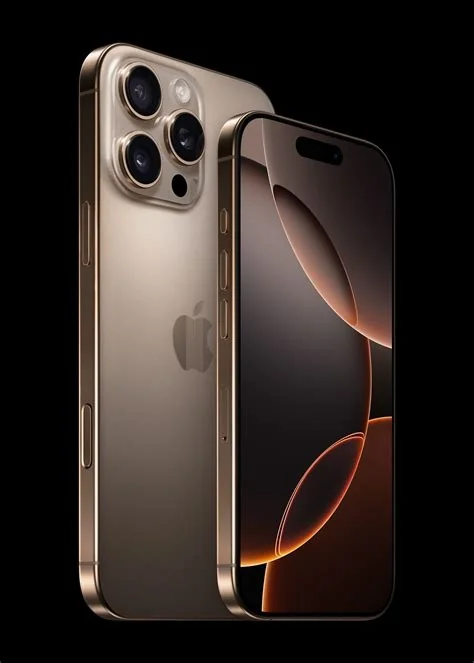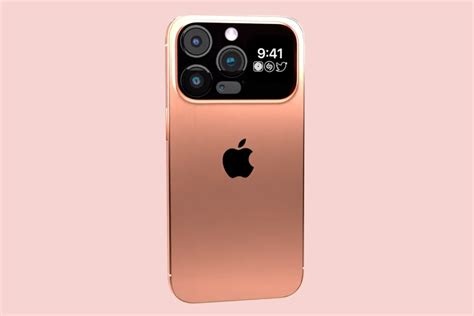
Apple’s upcoming iPhone 18 Pro introduces a groundbreaking 2 nm A‑18 Bionic chip, delivering up to 25 % more computing power and 30 % better energy efficiency. It also features a variable‑aperture main camera (f/1.5‑f/2.2) for superior low‑light performance and a newly‑designed pressure‑only camera control button that simplifies hardware and improves repairability.
2 nm A‑18 Bionic SoC: Next‑Gen Performance
The heart of the iPhone 18 Pro is the new A‑18 Bionic system‑on‑chip, fabricated on TSMC’s 2 nm process. This node shrinks transistor size by more than 15 % compared with the 3 nm chips in the iPhone 17 Pro, allowing higher clock speeds and lower power draw.
Power and Efficiency Gains
Analysts estimate the A‑18 Bionic will provide up to 25 % higher computational performance and 30 % better energy efficiency. Users can expect longer battery life during everyday tasks and stronger AI capabilities for computational photography, Siri improvements, and augmented‑reality applications.
Variable Aperture Camera System
The iPhone 18 Pro’s primary camera adopts a variable aperture ranging from f/1.5 to f/2.2. The lens can adjust on the fly to match lighting conditions, offering sharper portraits in dim environments and a more natural bokeh effect.
Improved Low‑Light Portraits
Coupled with an upgraded 48 MP sensor, next‑generation Deep Fusion processing, and native 12‑bit ProRAW support, the variable aperture delivers reduced noise and richer detail, making the device especially attractive to content creators.
Redesigned Camera Control Button
Apple plans to replace the current sapphire‑crystal capacitive sensor with a purely mechanical pressure sensor, similar to the power button mechanism. This change reduces part count, lowers manufacturing costs, and simplifies repairs.
Mechanical Pressure Sensor
The new button detects press depth to trigger actions: tap to take a photo, hold for burst mode, and long‑press for video recording. The design minimizes wear‑related failures while maintaining a fluid tactile experience.
iPhone Fold: Apple’s First Foldable
Apple’s first foldable, the iPhone Fold, shares the A‑18 Bionic and camera architecture of the iPhone 18 Pro. It features a 6.7‑inch OLED main display with adaptive 120 Hz refresh rate and a 5.4‑inch secondary cover display. The folding mechanism uses a reinforced aluminum alloy hinge for durability comparable to leading foldable devices.
Launch Timeline and Market Positioning
The iPhone 18 Pro, Pro Max, and iPhone Fold are slated for a September 2025 release, alongside the standard iPhone 18 line and an eco‑focused iPhone 18e expected the following year. This staggered portfolio gives Apple coverage from entry‑level to premium foldable, reinforcing its annual refresh cadence.
Impact for Users and Repair Professionals
For end users, the pressure‑only button may require a brief adjustment but promises fewer hardware failures. Repair technicians will benefit from fewer delicate components, translating to lower service costs and faster turnaround. The efficiency boost from the A‑18 Bionic and the variable aperture also extend daily battery life, addressing long‑standing endurance concerns.
Conclusion
The iPhone 18 Pro’s 2 nm processor, variable‑aperture camera, and simplified button design indicate Apple’s focus on under‑the‑hood innovation while enhancing durability and energy efficiency. If the projected specifications hold true, the iPhone 18 Pro and the forthcoming iPhone Fold could set new benchmarks for the premium smartphone market.