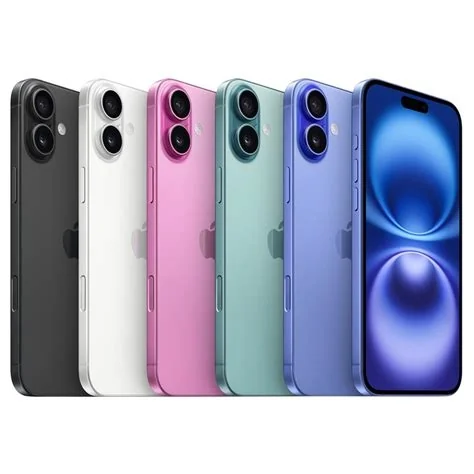
Apple’s iPhone lineup now includes the newly released iPhone 16, the high‑selling iPhone 17, and rumors of a dramatically redesigned iPhone 18. The iPhone 16 offers balanced performance and price, the iPhone 17 continues to dominate sales with strong real‑world results, and the upcoming iPhone 18 is expected to introduce a fresh design and advanced Pro‑centric upgrades.
iPhone 16: Current Flagship Overview
The iPhone 16 is the latest flagship available in stores, positioned as the best‑value option for most consumers. It features a more efficient A‑series processor, larger camera sensors for improved image quality, and a slightly larger display that continues Apple’s trend of incremental size growth. The Mini models have been discontinued, ending the smallest form factor introduced with the iPhone 12 Mini.
iPhone 17: Real‑World Performance After Four Months
Four months after launch, the iPhone 17 remains a top performer in both reviews and sales. Key strengths include:
- Performance: The latest A‑series chip delivers smooth multitasking and gaming, maintaining benchmark leads over most Android competitors.
- Camera: Upgraded sensors and computational photography produce high‑quality images across diverse lighting conditions.
- Battery Life: Real‑world usage shows modest improvements over the iPhone 16, aligning with Apple’s endurance claims.
These results indicate that the iPhone 17 appeals beyond early adopters, attracting a broad consumer base.
Super‑Cycle Impact on Apple’s Sales
Apple’s recent financial results highlight a “super‑cycle” effect, where demand spikes roughly every five years due to major hardware upgrades, 5G maturation, and refreshed design language. The iPhone 17 has driven a significant revenue increase, reinforcing Apple’s position as the leading global smartphone vendor.
iPhone 18: Rumors of a Major Redesign
Industry speculation points to a substantial overhaul for the upcoming iPhone 18 series. Anticipated changes include:
- New Design: A shift away from the notch toward a hole‑punch or under‑display camera, paired with slimmer bezels.
- Pro‑Centric Focus: Higher‑refresh‑rate displays, a more powerful processor, and advanced camera hardware aimed at professional creators.
- Potential Foldable Concept: Early hints suggest Apple may explore a foldable form factor, though details remain unconfirmed.
Consumer and Industry Implications
The coexistence of three iPhone generations—16, 17, and the upcoming 18—creates a layered market. Budget‑conscious buyers can still find discounted older models, while power users gravitate toward the iPhone 17’s capabilities. The rumored iPhone 18 redesign could further segment the market, especially if Apple emphasizes the Pro line as a premium offering. Competitors will need compelling hardware and software ecosystems to challenge Apple’s momentum in the high‑end segment.
Bottom Line
Apple’s current smartphone strategy balances continuity and innovation. The iPhone 16 serves as a stable, mid‑range option; the iPhone 17 validates Apple’s design and performance roadmap with strong sales and positive user feedback; and the looming iPhone 18 promises a bold redesign that could redefine the flagship experience. As the super‑cycle drives consumer upgrades, Apple remains well‑positioned to maintain market dominance.