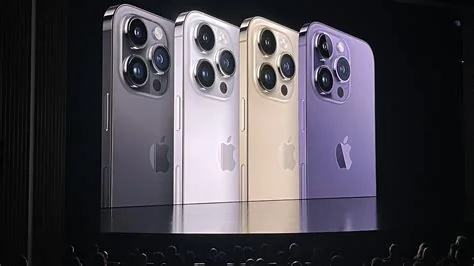
Apple’s iPhone 14 is experiencing a resurgence as price cuts and a thriving refurbished market make it a compelling choice for budget‑savvy and eco‑conscious buyers. With the A15 Bionic chip still delivering strong performance and Apple promising several more years of iOS updates, the device offers flagship‑level experience at a fraction of newer models’ cost.
iPhone 14 Overview and Core Features
Design and Performance
The iPhone 14 retains the sleek 6.1‑inch display introduced with its predecessor and is powered by the A15 Bionic processor. While it does not include the Pro‑level camera system, it delivers reliable everyday performance, solid battery life, and smooth operation across all iOS applications.
Software Support
Apple’s commitment to long‑term software updates means the iPhone 14 will continue receiving iOS upgrades and security patches for several years, ensuring the device stays current with new features and protections well into the future.
Significant Price Reductions Worldwide
Market Price Trends
Retailers across major regions have lowered the iPhone 14’s price by 10‑15 % compared with its launch cost. These reductions affect all storage options, making the device increasingly affordable for new buyers and those upgrading from older models.
Affordability Compared to Newer Models
Even after the introduction of newer iPhone generations, the iPhone 14 remains one of the most cost‑effective ways to own a recent‑generation iPhone with full Apple warranty and software support, often costing less than half of the entry‑level price of the latest flagship.
Growth of Refurbished iPhone 14 Market
Benefits of Refurbished Devices
Certified refurbished iPhone 14 units provide a near‑new experience at a lower price point, typically including a warranty, thorough testing, and the option for installment payments. This appeals to consumers seeking value without sacrificing quality.
Sustainability Impact
Extending the lifecycle of smartphones through refurbishment helps reduce electronic waste. By choosing a refurbished iPhone 14, buyers contribute to a more sustainable tech ecosystem while enjoying the same performance and support as a new device.
Why the iPhone 14 Remains Relevant
Hardware Advantage
The A15 Bionic chip still outperforms many contemporary Android devices, delivering smooth gaming, photography, and productivity experiences that meet the expectations of most users.
Long‑Term Software Updates
Apple’s track record of supporting devices for five or more years ensures that iPhone 14 owners will continue receiving new iOS features, security updates, and performance enhancements well beyond the typical smartphone lifespan.
Strategic Positioning in Apple’s Portfolio
Apple’s tiered pricing strategy places the iPhone 14 as a mid‑range option, attracting cost‑sensitive shoppers while preserving the premium market for newer flagship models. This approach helps maintain broad market share without cannibalizing higher‑margin products.
Implications for the Smartphone Market
Mid‑Range Sweet Spot
As flagship prices climb, the iPhone 14 occupies a “sweet spot” for consumers who desire a balance of performance and affordability, prompting carriers and retailers to promote bundled plans centered around this model.
Effect on Carriers and Competitors
The popularity of the iPhone 14 encourages carriers to offer attractive data‑plan bundles, while competing brands may need to adjust pricing for their own mid‑range devices to stay competitive in a market increasingly focused on value.
Future Outlook for iPhone 14
Continued Availability in Secondary Markets
Even after Apple phases out direct sales of the iPhone 14, refurbished and used units are expected to remain readily available, providing a viable pathway to ownership for budget‑conscious consumers.
Consumer Value Proposition
The convergence of lower prices, warranty coverage, and sustainability benefits positions the iPhone 14 as a compelling choice for buyers seeking a recent‑generation smartphone without the premium price tag.