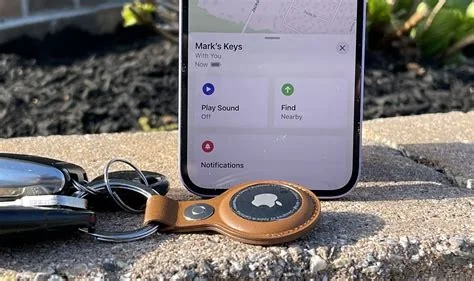
Apple’s second‑generation AirTag delivers a noticeably larger Bluetooth range, a louder built‑in speaker, and a lower retail price, all while keeping the same seamless setup through the Find My app. These three core upgrades make the AirTag 2 a more reliable and affordable tracker for iOS users seeking precise item location. It also retains Apple’s privacy safeguards, ensuring location data stays encrypted.
What’s New?
- Expanded Search Radius – Leveraging the extensive Find My network, the AirTag 2 can be located even when it is out of direct Bluetooth range, as nearby Apple devices anonymously relay its position.
- Louder Built‑In Speaker – The upgraded speaker emits a stronger tone, making it easier to find items hidden under cushions, inside bags, or in noisy environments.
- Lower Retail Price – Apple has reduced the cost of the AirTag 2, lowering the barrier for new users and encouraging broader adoption of the Find My ecosystem.
How It Works
The setup remains a single tap: bring the AirTag 2 close to an iPhone or iPad, assign a name, and attach it to a keyring, backpack, luggage, or any item you wish to track. The Find My app provides real‑time location updates, alerts when an item is left behind, and remote speaker activation. Apple Watch users receive the same alerts on their wrist for quick, hands‑free locating.
Background and Privacy
Since its 2021 debut, the AirTag has been praised for deep integration with Apple’s ecosystem while facing criticism for limited range and a quiet speaker. Apple has continuously expanded the Find My network, adding more devices and strengthening privacy‑preserving protocols that keep location data encrypted and anonymous. Anti‑stalking safeguards, such as audible alerts after prolonged separation from the owner, remain unchanged in the second generation.
User and Market Impact
Existing AirTag owners may consider upgrading to benefit from the longer range and louder alerts. The reduced price also makes the tracker attractive to new customers, potentially expanding Apple’s accessory ecosystem. By narrowing the performance gap with rival Bluetooth trackers, the AirTag 2 reinforces Apple’s position as the preferred choice for iOS users who value seamless integration and robust privacy.
Future Outlook
While Apple has not announced a successor to the AirTag 2, the company’s history of iterative hardware improvements suggests future versions could add sensors, extend battery life, or incorporate ultra‑wideband (UWB) for precise indoor positioning. For now, the AirTag 2 offers a tangible upgrade that addresses the most common criticisms of its predecessor while strengthening Apple’s overall tracking strategy.