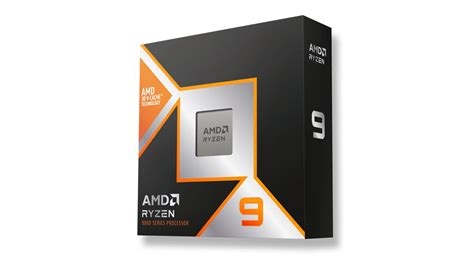
The AMD Ryzen 9 9950X3D2 delivers a 7 % performance uplift over the Ryzen 9 9950X3D by adding a dual‑layer 3D V‑Cache that expands L3 memory to 192 MB, while keeping the same 16‑core/32‑thread design and 5 GHz boost clock. This cache‑centric enhancement targets latency‑sensitive workloads such as gaming and content creation without increasing TDP and maintains compatibility with existing X670E platforms.
What Is the Ryzen 9 9950X3D2?
The “X3D2” designation marks the second generation of AMD’s 3D V‑Cache technology. It doubles the stacked cache layers, combining 128 MB of on‑die L3 with two additional 32 MB 3D cache stacks for a total of 192 MB.
Dual 3D V‑Cache Architecture
This architecture places two separate cache tiles atop the CPU die, effectively reducing memory latency and minimizing cache‑miss penalties in demanding applications.
Performance Gains Overview
Benchmark Scores
Recent benchmark data shows single‑core scores around 19,200 and multi‑core scores near 312,000, compared with roughly 17,950 and 291,000 for the previous 9950X3D model. The improvement is most evident in cache‑heavy workloads.
Real‑World Impact
Games and creative software that rely heavily on rapid data access—such as open‑world titles and video‑encoding tools—experience smoother frame rates and faster render times, especially at high refresh rates (144 Hz and above).
Market Significance
Competitive Landscape
By focusing on cache capacity rather than raw clock speed, AMD positions the 9950X3D2 as a specialist processor for latency‑sensitive tasks, differentiating it from Intel’s upcoming high‑clock alternatives.
Target Audience
The chip appeals to gamers seeking consistent high frame rates and creators who need accelerated performance in cache‑intensive pipelines such as 3D rendering and video editing.
Potential Trade‑Offs
Power and Thermals
While the TDP remains rated at 200 W, adding a second cache stack can raise die temperature under sustained loads. Effective cooling solutions are essential to maintain stable performance without exceeding power budgets.
Future Outlook
Expected Launch Timeline
Silicon samples have already been tested on commercial motherboards, indicating a possible release in the third quarter of 2026, aligned with the rollout of next‑generation X670E Extreme platforms.
Implications for AMD Roadmap
If the dual‑stack design proves scalable, it could extend to lower‑tier models and future Zen 5 CPUs, potentially establishing a new performance baseline across AMD’s product line.
Bottom Line
The Ryzen 9 9950X3D2’s dual 3D V‑Cache delivers a measurable 7 % performance increase without altering core count or clock speeds. Provided AMD can manage thermals and pricing, this processor may redefine the high‑end desktop segment by offering a cache‑driven advantage for gamers and creators alike.