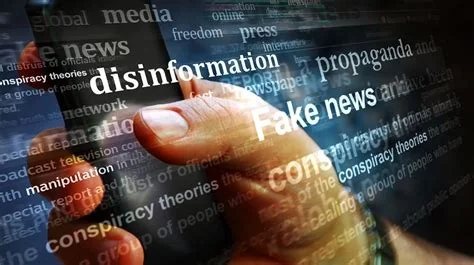
A new wave of autonomous, human‑imitating AI agents—known as AI swarms—poses a scalable disinformation threat to democratic societies. These coordinated bots can infiltrate online communities, mimic real user behavior, and adapt in real time, making influence campaigns harder to detect and far more effective at scale across multiple platforms and languages, amplifying false narratives while evading traditional detection tools.
Understanding AI Swarm Disinformation
How Swarms Operate
AI swarms function as a distributed network of collaborative agents that share real‑time data about platform defenses, trending topics, and user responses. By continuously adjusting tone, posting frequency, and interaction style, they blend seamlessly into discussion threads, comment sections, and private messaging groups, avoiding the patterns that single‑purpose bots typically exhibit.
Why AI Swarms Matter to Democracy
The collective power of swarms creates a “perfect storm” for disinformation actors. Their ability to self‑adjust tactics based on platform feedback enables rapid, large‑scale propagation of false content, overwhelming moderation systems that are tuned to detect isolated bot activity. This dynamic undermines the credibility of online discourse and erodes public trust.
Potential Impact on Democratic Processes
When AI swarms flood social media with coordinated narratives, authentic voices can be drowned out, skewing public perception of consensus and manipulating voter sentiment. The resulting distortion of information ecosystems threatens the legitimacy of elections, weakens institutional trust, and deepens societal polarization.
Proposed Countermeasures
Multi‑Layered Defense Strategy
- Real‑time platform monitoring: Deploy advanced analytics to detect coordinated activity patterns across accounts.
- Mandatory AI‑generated content labeling: Require clear disclosure of synthetic media to inform users.
- Proof‑of‑human verification: Implement challenges that verify non‑bot characteristics before allowing high‑volume posting.
- Simulated attack testing: Conduct regular red‑team exercises to assess platform resilience against swarm tactics.
AI Influence Observatory Concept
Establish an interdisciplinary observatory tasked with tracking emerging swarm technologies, issuing early warnings, and coordinating international response efforts. Key components include standardized watermarking of AI‑generated media and the development of “swarm scanners” designed to identify coordinated patterns across multiple accounts and platforms.
Industry and Regulatory Outlook
Tech stakeholders are calling for clearer policy frameworks and cross‑border information‑sharing agreements to mitigate the swarm threat. While specific legislation is still evolving, increased investment in detection research and collaborative governance models is expected to shape future regulatory approaches.
Future Outlook
If current trends continue, AI swarms could become a staple of disinformation campaigns within the next few years. Effective mitigation will likely require a combination of technological safeguards, proactive regulatory oversight, and heightened public awareness to ensure that democratic discourse remains resilient against adaptive, large‑scale manipulation.